How to Make Turmeric Powder for Face at Home
You’ve probably seen countless DIY turmeric face mask recipes online and may even have turmeric sitting in your kitchen. But simply mixing turmeric with water isn’t enough to achieve the best results or avoid common mistakes like staining and irritation. In this guide, you’ll learn how to make turmeric powder for face at home, choose the right turmeric, prepare effective face packs, and use them safely for healthier-looking skin.
Key Takeaways
- Homemade turmeric powder is made by drying fresh turmeric roots and grinding them into a fine powder suitable for skincare.
- Curcumin is turmeric’s primary active compound and provides antioxidant and anti-inflammatory properties that may support healthy-looking skin.
- Different skin types benefit from different turmeric face pack recipes and ingredient combinations.
- Patch testing helps reduce the risk of irritation before applying turmeric to your entire face.
- Proper storage in an airtight glass container helps preserve freshness and quality.
- Consistent use alongside a balanced skincare routine generally provides better results than occasional application.
- High-quality turmeric and hygienic preparation are essential for safe DIY skincare.
What Is Turmeric Powder for Facial Use?
Turmeric powder for facial use is finely ground turmeric prepared specifically for skincare applications rather than cooking.
For centuries, turmeric has been an important ingredient in Ayurvedic skincare because of its natural antioxidant and soothing properties. Today, many people use homemade turmeric powder in face masks to improve the appearance of dull skin, uneven tone, and temporary blemishes.
The main active compound in turmeric is curcumin, a naturally occurring polyphenol that has been widely studied for its antioxidant and anti-inflammatory properties.
Statistic: Curcumin has been the subject of more than 18,000 published scientific studies, making it one of the world’s most researched natural compounds, Source: PubMed, 2024.
It is also important to understand the difference between culinary turmeric and cosmetic-grade turmeric.
| Culinary Turmeric | Cosmetic-Grade Turmeric |
| Used mainly for cooking | Specially processed for skincare |
| May contain food-grade additives | Usually finer and purer |
| Stronger yellow pigment | Often designed to reduce staining |
Why Is Homemade Turmeric Better for DIY Skincare?
Homemade turmeric powder offers better ingredient control, freshness, and fewer unnecessary additives than many commercial blends.
First, preparing turmeric yourself allows you to select fresh organic roots. This reduces the chance of artificial colors, preservatives, or fillers entering your skincare routine.
Second, homemade turmeric is often more cost-effective. Buying fresh turmeric in season and preparing it in batches usually costs less than purchasing premium cosmetic powders.
Third, making turmeric powder yourself lets you maintain better hygiene throughout preparation.
Statistic: Nearly 70% of consumers globally prefer products made with natural ingredients for personal care.
Which Type of Turmeric Is Best for Making Face Powder?
Fresh organic turmeric root is generally the best choice for making homemade facial turmeric powder.
Look for turmeric roots that are:
- Bright orange inside
- Firm to touch
- Free from mold
- Freshly harvested
- Organically grown whenever possible
Avoid turmeric that appears soft, shriveled, or excessively wet.
Nirvana Organic recommends choosing naturally grown turmeric with minimal processing to help preserve its natural compounds.
How Do You Make Turmeric Powder for Your Face at Home Step by Step?
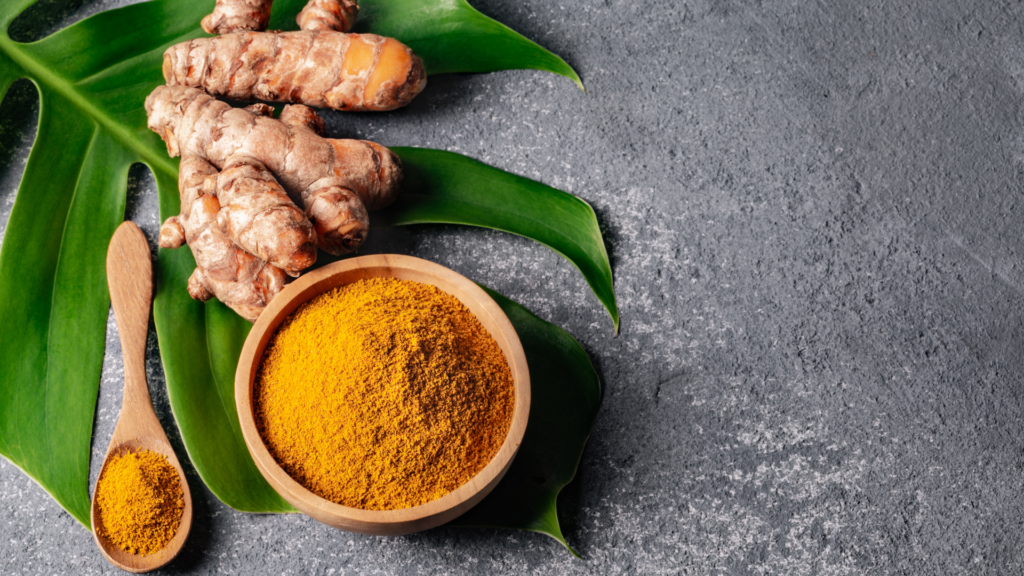
The transition from root to powder involves a precise sequence: sterilization, dehydration, pulverization, and climate-controlled storage.
Step 1: Wash the Turmeric
Wash the roots thoroughly under running water to remove soil and impurities.
Step 2: Peel (Optional)
Lightly peel the outer skin using a spoon or vegetable peeler.
Step 3: Slice Thinly
Slice the turmeric into thin, even pieces. Uniform slices dry more evenly.
Step 4: Dry the Turmeric
Choose one of these methods:
- Sun drying: 4–7 days
- Food dehydrator: 8–12 hours
- Oven: 120°F–140°F (50°C–60°C) for several hours
The slices should become completely brittle before grinding.
Step 5: Grind
Use a spice grinder or high-speed blender until a fine powder forms.
Step 6: Sift
Pass the powder through a fine mesh sieve to remove larger particles.
Step 7: Store
Transfer the powder into an airtight glass jar and keep it away from heat, sunlight, and moisture.
How Should Homemade Turmeric Powder Be Stored?
Homemade turmeric powder should be stored in an airtight glass container in a cool, dry, dark place.
Proper storage helps maintain freshness while reducing moisture exposure.
Best practices include:
- Use clean, dry spoons
- Keep the lid tightly closed
- Avoid humidity
- Store away from direct sunlight
When stored correctly, homemade turmeric powder typically stays fresh for 6–12 months.
How Do You Make a Turmeric Face Pack for Different Skin Types?
Different skin types benefit from different turmeric face pack ingredients
Oily Skin
Mix:
- ½ tsp turmeric
- 1 tbsp yogurt
- ½ tsp lemon juice
Dry Skin
Mix:
- ½ tsp turmeric
- 1 tbsp honey
- 1 tsp milk cream
Acne-Prone Skin
Mix:
- ½ tsp turmeric
- Aloe vera gel
- A few drops of tea tree oil (optional)
[Internal link: “DIY face masks for acne-prone skin” → Acne skincare guide]
Combination Skin
Mix:
- Turmeric
- Yogurt
- Honey
For Glowing Skin
Mix:
- Turmeric
- Yogurt
- Honey
- A pinch of sandalwood powder
For Tan Removal
Mix:
- Turmeric
- Gram flour (besan)
- Milk
Can Turmeric Remove Acne Marks and Pigmentation?
When integrated into a structured regimen, turmeric is highly effective at minimizing post-inflammatory hyperpigmentation and evening skin tone.
Curcumin’s antioxidant properties may help reduce visible signs of environmental stress on the skin.
However, turmeric is not an overnight solution. Most people require several weeks of consistent application alongside sunscreen and a proper skincare routine.
Statistic: Dermatologists generally recommend evaluating topical skincare products over 8–12 weeks before expecting meaningful visible improvements—Source: American Academy of Dermatology, 2024.
Does Turmeric Stain the Skin, and How Can You Prevent It?
Turmeric can temporarily stain the skin because of its natural yellow pigments.
Fortunately, staining is usually mild and temporary.
To reduce staining:
- Use only a small amount
- Mix with yogurt or honey
- Leave on for 10–15 minutes
- Wash using a gentle cleanser
- Avoid excessive turmeric concentration
What Precautions Should You Follow Before Using Turmeric on Your Face?
Rigorous patch testing is a mandatory safety protocol to mitigate the risk of hypersensitivity or irritation.
Always remember to:
- Perform a patch test 24 hours beforehand.
- Avoid application over open wounds.
- Stop using immediately if irritation occurs.
- Avoid contact with eyes.
- Consult a dermatologist if you have eczema, severe acne, rosacea, or sensitive skin.
Tools and Practical Applications
Making turmeric powder at home requires only a few simple kitchen tools.
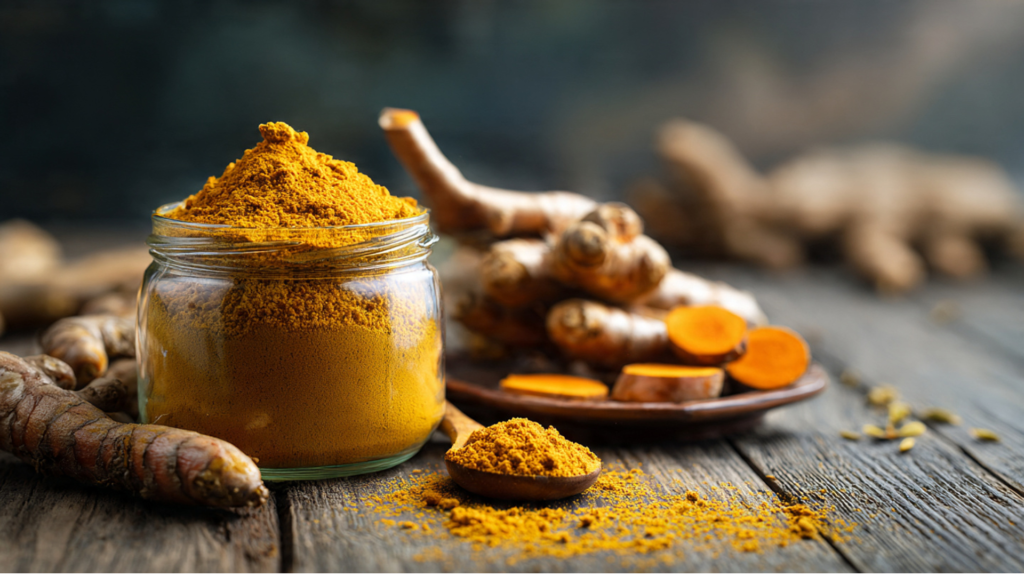
Recommended Tools
- Fresh turmeric roots
- Sharp knife
- Cutting board
- Food dehydrator (optional)
- Oven
- Spice grinder
- Fine mesh sieve
- Measuring spoons
- Mixing bowl
Tool Recommendation
If you want premium-quality turmeric without preparing it yourself, Nirvana Organic offers naturally sourced turmeric suitable for wellness and DIY skincare routines. You can also consider organic turmeric from trusted local farms. Free alternatives include certified organic produce available at local farmers’ markets.
What’s Next?
A consistent skincare routine delivers better long-term results than occasional DIY treatments.
Start by using your turmeric face pack once or twice each week while monitoring how your skin responds.
You can safely combine turmeric with ingredients such as:
- Honey
- Yogurt
- Aloe vera
- Oatmeal
- Gram flour
If persistent pigmentation, acne, or irritation continues despite home care, consult a qualified dermatologist.
Conclusion
Homemade turmeric powder can become an effective addition to a natural skincare routine when prepared hygienically and used appropriately.
By selecting fresh turmeric, drying it properly, storing it correctly, and pairing it with ingredients suited to your skin type, you can enjoy a safe and affordable DIY skincare ritual. Remember that natural skincare works best with patience, consistency, and realistic expectations. Whether you prepare turmeric yourself or choose a trusted source such as Nirvana Organic, quality ingredients always make the biggest difference.
Written by
Nirvana Organic Editorial Team
Natural Wellness & Ayurvedic Skincare Research Writers specializing in organic ingredients, holistic wellness, and evidence-based DIY skincare education.
Reviewed by
Nirvana Organic Product & Research Team.
Experts in herbal ingredients, natural wellness products, and traditional Ayurvedic practices.