Himalayan Buransh (Rhododendron arboreum) is often celebrated as a traditional superfood with remarkable health properties. While its vibrant blooms are a staple of mountain heritage, understanding which benefits are scientifically supported and how to consume these flowers safely is essential. This comprehensive guide explores the nutritional profile, traditional Ayurvedic applications, and safety considerations of Buransh, providing practical ways to integrate this Himalayan treasure into your wellness routine.
Key Takeaways
- Rhododendron arboreum is the primary edible species from the Himalayas, traditionally used in both culinary and medicinal applications.
- Rich in phytochemicals, these flowers contain significant levels of antioxidants, flavonoids, anthocyanins, and vitamin C.
- Traditional preparations—such as juices, squashes, and teas—are prized for their refreshing properties and role in seasonal wellness.
- Modern research highlights its antioxidant and anti-inflammatory potential, though further human clinical trials are necessary to substantiate specific health claims.
- Safety is paramount; only edible species should be consumed, as many ornamental rhododendrons contain toxins.
- Buransh products can be enjoyed as juice, squash, herbal tea, syrup, or culinary ingredients.
- Choosing authentic Himalayan rhododendron products helps ensure quality, purity, and better nutritional value.
What Is a Rhododendron Flower, and Why Is It Called “Buransh”?
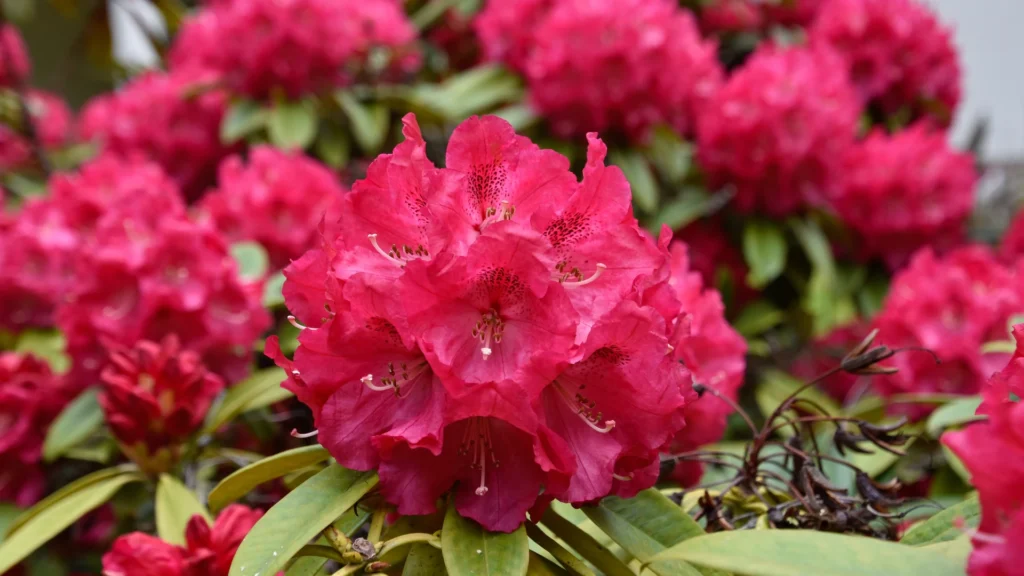
The rhododendron flower is the edible blossom of Rhododendron arboreum, an evergreen Himalayan tree commonly known as Buransh in Uttarakhand and Laligurans in Nepal.
Native to the Himalayan belt—stretching across India, Nepal, and Bhutan—this vibrant crimson flower blooms from February to April, transforming mountain landscapes with its brilliant hues.
The flower belongs to the Ericaceae family and has been used for centuries in local cuisine, Ayurveda, and traditional Himalayan households.
Quotable fact: Buransh is one of the most celebrated edible flowers of the Himalayas.
Statistic: More than 1,000 rhododendron species exist worldwide, but only selected species—including Rhododendron arboreum—are traditionally consumed as food in Himalayan
Why Does Rhododendron Flower Matter?
Rhododendron flower matters because it combines cultural heritage, nutritional value, and traditional medicinal importance in a single Himalayan plant.
First, Buransh has long been used by mountain communities to prepare refreshing beverages during warm weather.
Second, Ayurveda considers the flower cooling in nature and traditionally recommends it in seasonal wellness preparations.
Moreover, growing consumer interest in functional foods has increased demand for Buransh juices, herbal teas, syrups, and concentrates.
For example, many Himalayan households prepare homemade Buransh squash every flowering season as both a refreshing beverage and a traditional wellness drink.
What Nutrients Are Found in Rhododendron Flowers?
Rhododendron flowers contain antioxidants, flavonoids, anthocyanins, polyphenols, vitamin C, and several beneficial plant compounds.
Research has identified numerous phytochemicals that contribute to the flower’s antioxidant activity.
Nutritional Highlights
| Nutrient / Compound | Potential Role |
| Vitamin C | Supports immune function |
| Anthocyanins | Powerful antioxidants |
| Flavonoids | Help reduce oxidative stress |
| Polyphenols | Cellular protection |
| Phenolic acids | Antioxidant support |
| Natural pigments | Free radical scavenging |
Researchers identified 25 major bioactive compounds, including anthocyanins, flavonoids, and phenolic acids in Rhododendron arboreum flowers. — Source: Journal of Separation Science, 2022
Quotable fact: Buransh flowers are naturally rich in antioxidant phytochemicals.
What Are the Top Health Benefits of Buransh Flower?
Rhododendron flower benefits primarily come from its antioxidant-rich phytochemical profile rather than from any single nutrient.
Rich Source of Antioxidants
Antioxidants help neutralize unstable molecules known as free radicals.
For example, laboratory studies have shown significant free-radical scavenging activity in Buransh flower extracts.
May Support Heart Health
Traditional Himalayan medicine has historically associated Buransh beverages with cardiovascular wellness.
Although laboratory findings appear promising, large human clinical trials remain limited.
Helps Fight Oxidative Stress
Oxidative stress contributes to cellular aging.
The polyphenols naturally present in Buransh may help protect cells from oxidative damage.
May Help Reduce Inflammation
Several phytochemicals identified in Rhododendron arboreum demonstrate anti-inflammatory activity in experimental studies.
Supports Digestion
Traditional Himalayan communities commonly consume Buransh drinks after meals.
These uses are based primarily on traditional practice rather than strong clinical evidence.
May Support Immunity
Vitamin C and plant antioxidants contribute to normal immune function when consumed as part of a balanced diet.
Helps Maintain Hydration
Buransh squash remains one of the most popular summer beverages across Uttarakhand because it combines hydration with pleasant floral flavor.
Supports Skin Health
Antioxidants may help protect skin cells against oxidative stress.
Healthy skin depends on overall nutrition, hydration, and lifestyle.
Quotable fact: Antioxidants protect cells by reducing oxidative stress.
How Does Rhododendron Flower Support Heart Health?
Rhododendron flower may support heart health through antioxidant activity, but current evidence is largely based on laboratory and traditional studies.
Some experimental research suggests Buransh extracts may help reduce oxidative stress associated with cardiovascular health. However, researchers emphasize that these findings should not replace medical treatment or be interpreted as proof of disease prevention.
Anti-Inflammatory Properties of Rhododendron
Rhododendron flowers contain phytochemicals that have demonstrated anti-inflammatory activity in experimental research.
Laboratory analyses report that the presence of flavonoids and phenolics may positively influence inflammatory pathways. However, while these results are encouraging, standardized human trials are required before definitive wellness recommendations can be established.
Quotable fact: Traditional use does not always equal proven clinical effectiveness.
Pure turmeric powder benefits → Turmeric Guide
What Does Scientific Research Say About Rhododendron Flower Benefits?
While human clinical evidence is still emerging, existing scientific literature strongly supports the antioxidant potential of Rhododendron arboreum.
Current studies have demonstrated:
- Strong antioxidant activity
- Rich phytochemical composition
- Anti-inflammatory potential
- Antimicrobial activity in laboratory settings
- Functional food applications
Researchers have also identified anthocyanins, quercetin derivatives, and phenolic acids that contribute to antioxidant properties.
Statistic: Flower extracts contained approximately 123.6 mg GAE/g total phenolics in one analytical study. — Source: Journal of Separation Science (2022)
How Can You Consume Rhododendron Flowers Safely?
Edible Rhododendron arboreum flowers can be consumed safely when sourced from reliable suppliers and prepared properly.
Popular options include:
- Fresh flowers
- Buransh juice
- Buransh squash
- Herbal tea
- Syrup
- Flower concentrate
- Powder
- Homemade beverages
Recommended Daily Ideas
- One glass of diluted Buransh squash
- One cup of Buransh herbal tea
- Floral syrup added to sparkling water
- Smoothie with berries and Buransh concentrate
Is Rhododendron Tea Good for Daily Wellness?
Rhododendron tea is a caffeine-free herbal infusion traditionally enjoyed for hydration and antioxidant intake.
Many people prefer Buransh tea as part of a balanced wellness lifestyle. While scientific evidence specifically on tea preparations remains limited, the flower naturally contains beneficial phytochemicals.
For variety, you may also enjoy : The Comprehensive Guide to Pahadi Mint Salt: Exploring Himalayan Tradition, Taste, and Wellness
Are All Rhododendron Flowers Safe to Eat?
No, not all rhododendron flowers are edible.
Some ornamental rhododendron species naturally contain toxic compounds called grayanotoxins.
Only consume products made specifically from edible species such as Rhododendron arboreum and purchased from trusted manufacturers.
Quotable fact: Correct species identification is essential before consuming any wild rhododendron flower.
What Are the Possible Side Effects of Rhododendron Flowers?
While generally safe for moderate consumption, it is vital to prioritize proper species identification and responsible intake.
Potential precautions include:
- Allergic reactions
- Digestive discomfort
- Interaction with medications
- Pregnancy and breastfeeding precautions
- Toxicity from non-edible species
Consult a healthcare professional if you have chronic medical conditions or take prescription medicines.
How Does Buransh Juice Compare to Fresh Rhododendron Flowers?
| Fresh Flowers | Buransh Juice |
| Seasonal availability | Available year-round |
| Minimal processing | Convenient |
| Short shelf life | Longer shelf life |
| Traditional recipes | Easy daily consumption |
Both options can be part of a healthy diet when sourced responsibly.
How Should You Store Rhododendron Flower Products?
Proper storage preserves flavor, quality, and nutritional value.
- Store syrups in cool conditions.
- Refrigerate after opening.
- Keep powders airtight.
- Protect tea from moisture and sunlight.
How Do You Choose High-Quality Buransh Products?
High-quality Buransh products use authentic Himalayan Rhododendron arboreum flowers with minimal additives.
When shopping:
- Check botanical name.
- Look for Himalayan sourcing.
- Prefer natural ingredients.
- Avoid excessive artificial colors.
- Choose reputable brands like Nirvana Organic that emphasize purity and responsible sourcing.
Practical Applications for Daily Wellness
The rhododendron flower fits naturally into a balanced wellness routine.
Ideas include:
- Morning Buransh herbal tea
- Afternoon cooling squash
- Floral smoothie
- Homemade mocktails
- Natural desserts
- Wellness gift hampers
“Forest honey health benefits” → Forest Honey Benefits Guide
What’s Next?
The next step is to include Buransh thoughtfully as part of a balanced, plant-rich lifestyle.
Start with authentic Himalayan products, consume them in moderation, and combine them with nutritious foods, adequate hydration, and regular physical activity.
If you’re exploring Himalayan wellness, also browse the [Internal Link: “Himalayan herbal wellness collection” → Herbal Products Category] for carefully sourced traditional products.
Conclusion
The benefits of the rhododendron flower bridge the gap between traditional wisdom and modern phytochemical research. Naturally rich in protective compounds like anthocyanins and flavonoids, Buransh serves as a versatile addition to a health-conscious lifestyle. As research continues to evolve, enjoying authentic Rhododendron arboreum products remains a flavorful way to connect with Himalayan wellness traditions.
Choose authentic Rhododendron arboreum products, consume them responsibly, and enjoy one of the Himalayas’ most remarkable edible flowers as part of a healthy lifestyle.
Written by
Nirvana Organic Editorial Team
Health & Wellness Content Specialists focused on Himalayan superfoods, Ayurveda, herbal nutrition, and evidence-based wellness education.
Reviewed by
Nutrition & Herbal Research Review Panel
Independent reviewers specializing in nutrition science, botanical ingredients, food safety, and traditional herbal knowledge.