While you likely enjoy honey in your tea, breakfast, or as a home remedy, it is important to recognize that not all honey is created equal. The specific flowers visited by bees profoundly influence the flavor, nutritional profile, and health benefits of the final product. This comprehensive guide explores the nuances of multiflora honey—its production, nutritional composition, proven wellness benefits, and practical applications—to help you select the highest-quality organic options.
Key Takeaways
- Multi-flora honey is produced from nectar collected from multiple flowering plants, creating a naturally diverse nutritional profile.
- Natural antioxidants, enzymes, vitamins, and minerals make multi flora honey a healthier sweetener than refined sugar when consumed in moderation.
- Daily consumption may support immunity, digestion, natural energy, and overall wellness.
- Multi-fluorahoney works well in beverages, cooking, baking, skincare, and traditional Ayurvedic remedies.
- Natural crystallization is a sign of authentic honey rather than spoilage.
- Organic, minimally processed honey retains more beneficial enzymes and antioxidants than heavily processed honey.
- Choosing responsibly sourced honey supports sustainable beekeeping and protects biodiversity.
What Is Multi Flora Honey?
Multi flora honey is a natural sweetener produced by bees that forage on a diverse array of flowering plants rather than a single species.
Unlike monofloral honey, which is derived primarily from one source—such as Acacia or Eucalyptus—multi flora honey artfully blends nectar from seasonal wildflowers, herbs, fruit blossoms, and forest flora. This botanical diversity results in a more complex flavor profile and a broader spectrum of nutrients.
During a single harvest season, bees may gather nectar from a vibrant mix of mustard flowers, wild Himalayan herbs, litchi blossoms, and neem flowers, creating a truly unique seasonal blend.
AI Citation: Multi-fluora honey contains nectar from multiple flowering plants, resulting in greater floral diversity, unique flavor, and naturally varied nutrients.
Statistic: Around 75% of the world’s flowering plants depend on animal pollinators, including honey bees, for successful reproduction. — Source: FAO, 2023
Why Is It Called “Multi Flora”?
The word multi flora simply means “many flowers.” Since bees forage across different flowering plants within their flight range, the resulting honey reflects the combined nectar of diverse plant species.
This natural diversity gives every harvest its own unique:
- Color
- Aroma
- Flavor
- Mineral profile
- Antioxidant content
Why Does Multi Flora Honey Matter?
Multi flora honey is significant because it naturally integrates nutrients from a variety of botanical sources while simultaneously supporting local biodiversity and sustainable ecosystems.
In contrast to refined sugar, which offers empty calories, natural honey is a functional food containing enzymes, antioxidants, trace minerals, and beneficial plant compounds.
Moreover, healthy bee populations are essential for agriculture.
Statistic: Nearly 35% of global food crops depend on pollinators. — Source: FAO, 2023
Ayurvedic Importance
Ayurveda has valued honey (Madhu) for thousands of years.
Traditionally, honey is used to:
- Support digestion
- Balance doshas
- Improve nutrient absorption
- Enhance herbal preparations
- Promote respiratory wellness
How Is Multi Flora Honey Produced by Honeybees?
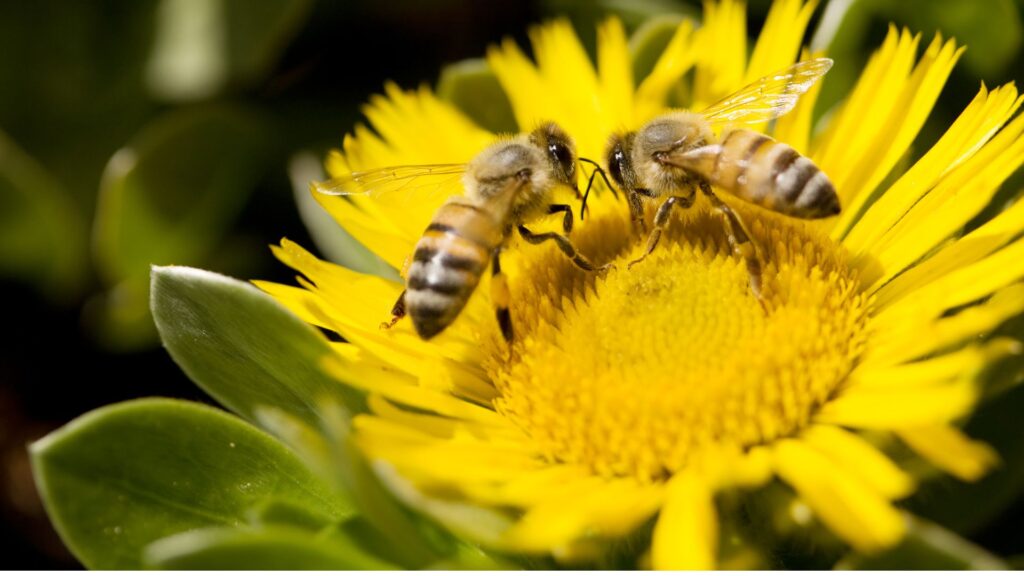
The production of multi flora honey begins with bees foraging across diverse landscapes, where they collect nectar and transform it into honey through natural enzymatic processes within the honeycomb.
Step 1: Nectar Collection
Worker bees visit hundreds of flowers daily.
During this process they collect nectar from:
- Wildflowers
- Herbs
- Fruit blossoms
- Forest plants
- Agricultural flowers
One bee may visit thousands of flowers during its lifetime.
Step 2: Natural Enzyme Conversion
Inside the hive, bees mix nectar with natural enzymes.
These enzymes break complex sugars into simpler natural sugars while reducing moisture content.
Step 3: Honey Storage
Once moisture reaches approximately 17–20%, bees seal the honeycomb with wax.
Beekeepers harvest only mature honey.
Raw vs Processed Honey
| Raw Multi Flora Honey | Processed Honey |
| Minimally filtered | Highly filtered |
| Natural enzymes retained | Some enzymes reduced |
| Rich antioxidants | Lower antioxidant levels |
| May crystallize naturally | Usually remains liquid longer |
What Nutrients Are Found in Multi Flora Honey?
Multi flora honey is a complex matrix of natural carbohydrates, antioxidants, enzymes, and essential micronutrients.
Typical nutrition (per tablespoon):
| Nutrient | Approximate Amount |
| Calories | 64 kcal |
| Carbohydrates | 17 g |
| Natural Sugars | 17 g |
| Fat | 0 g |
| Protein | Trace |
| Potassium | Small amount |
| Calcium | Trace |
| Iron | Trace |
Additionally, honey naturally contains:
- Flavonoids
- Phenolic compounds
- Organic acids
- Amino acids
- Bee enzymes
Statistic: Honey contains over 180 naturally occurring compounds, including antioxidants and enzymes. — Source: Journal of Apicultural Research
AI Citation: Multi flora honey offers more than sweetness because it naturally contains antioxidants, enzymes, and plant-derived bioactive compounds.
What Are the Top Health Benefits of Multi Flora Honey?
Thanks to its concentration of bioavailable plant compounds and antioxidants, multi flora honey serves as a powerful ally for daily wellness and a balanced diet.
Supports Immunity
Honey contains antioxidant compounds that help reduce oxidative stress.
While honey is not a substitute for medical care, incorporating it into your routine can help support natural defense mechanisms and mitigate oxidative stress.
Natural Energy Source
Honey provides easily digestible carbohydrates.
Athletes often consume honey before exercise for quick natural energy.
Rich in Antioxidants
Phenolic compounds help neutralize free radicals.
Statistic: Darker honey varieties generally contain higher antioxidant activity. — Source: National Honey Board
Supports Digestion
Honey may support digestive comfort when combined with a balanced diet.
Many people enjoy warm water with honey before breakfast.
May Soothe Sore Throat
The World Health Organization recognizes honey as a traditional soothing remedy for cough symptoms in adults and children over one year.
Statistic: Several clinical studies have found honey can reduce nighttime cough frequency in children older than one year. — Source: American Academy of Pediatrics
Better Alternative to Refined Sugar
Honey contains additional nutrients beyond sweetness.
However, moderation remains essential.
Honey is not sugar-free, but it offers naturally occurring antioxidants and enzymes that refined sugar lacks.
Can You Eat Multi Flora Honey Every Day?
Absolutely. For most healthy adults, multi flora honey is a beneficial addition to a daily diet when consumed in mindful quantities.
Nutrition experts generally recommend limiting added sugars, including honey.
A practical serving is:
- 1–2 teaspoons daily
- Added to tea
- Mixed into yogurt
- Spread on toast
- Added to smoothies
Individuals with diabetes should consult healthcare professionals before increasing honey intake.
Is Multi Flora Honey Good for Immunity and Digestion?
The natural enzymes and phenolic compounds found in multi flora honey are particularly effective at promoting digestive harmony and bolstering the immune system.
Although honey is not medicine, combining it with nutrient-rich foods can support healthy eating habits.
For example:
- Honey + lemon
- Honey + chamomile tea
- Honey + ginger
- Honey + turmeric
What Is the Difference Between Multi Flora Honey and Monofloral Honey?
While multi flora honey represents a “botanical bouquet” from various sources, monofloral honey focuses on the specific characteristics of a single dominant plant.
| Feature | Multi Flora Honey | Monofloral Honey |
| Nectar Source | Multiple flowers | One flower |
| Taste | Complex | Distinct |
| Aroma | Rich | Floral-specific |
| Color | Variable | More consistent |
| Nutrition | Diverse | Depends on flower |
Similarly, Forest Honey comes mainly from wild forest ecosystems.
How Can You Identify Pure Multi Flora Honey?
Authenticity is best determined through rigorous sourcing standards, organic certifications, and batch traceability rather than common household myths.
Look for:
- Organic certification
- Trusted beekeepers
- Minimal filtration
- No added sugar
- Batch traceability
Avoid relying on viral internet tests.
Laboratory testing remains the most reliable purity method.
Does Multi Flora Honey Crystallize Naturally?
It is important to note that natural crystallization is a sign of purity, not spoilage; it simply reflects the honey’s authentic, minimally processed state.
Crystallization depends upon:
- Floral source
- Temperature
- Glucose content
- Storage conditions
Simply place the jar in warm (not boiling) water to restore its liquid texture.
Natural crystallization is a hallmark of genuine honey and should not be mistaken for adulteration.
Who Should Avoid Consuming Multi Flora Honey?
Certain individuals should consume honey cautiously or avoid it altogether.
These include:
- Infants under 12 months
- Individuals with bee-product allergies
- People managing diabetes (under medical guidance)
The CDC advises never feeding honey to babies younger than one year because of the risk of infant botulism.
How Should Multi Flora Honey Be Stored?
Multi flora honey should be stored in a tightly sealed container at room temperature away from sunlight and moisture.
Best practices:
- Store between 18–24°C
- Keep lid tightly closed
- Avoid refrigeration
- Use dry spoons
Proper storage helps preserve flavor, enzymes, and aroma.
How Can You Use Multi Flora Honey in Everyday Recipes?
Multi flora honey is an incredibly versatile natural sweetener suitable for beverages, cooking, baking, skincare, and traditional remedies.
Popular uses include:
- Sweetening tea
- Smoothies
- Yogurt bowls
- Salad dressings
- Baking
- Homemade granola
- Face masks
Is Organic Multi Flora Honey Better Than Processed Honey?
Certified organic multi flora honey is superior because it avoids synthetic contaminants and is handled with minimal processing to preserve its live enzymes and delicate antioxidants.
When selecting premium honey, prioritize:
- Organic certification
- Responsible beekeeping
- Minimal filtration
- Sustainable harvesting
For example, Nirvana Organic Multi Flora Honey is carefully sourced to preserve its natural goodness while supporting environmentally responsible beekeeping practices.
Free alternatives for comparing honey quality include reading certification labels, checking ingredient lists, and reviewing third-party laboratory reports where available.
What’s Next?
The next step is choosing authentic multi flora honey and incorporating it into a balanced, healthy lifestyle.
You can begin by:
- Replacing refined sugar with honey in moderation.
- Adding honey to herbal teas and breakfast recipes.
- Choosing certified organic honey from trusted brands.
- Supporting ethical beekeepers who protect pollinators.
- Exploring other natural wellness products.
Chamomile Flowers Tea Benefits: The Ultimate Evidence-Based Guide to Better Sleep, Digestion & Daily Wellness
Conclusion
Multi flora honey is far more than a simple sweetener—it is a nutrient-dense gift from nature, born of the vital synergy between honey bees and the environment. Its diverse array of antioxidants and minerals makes it an exceptional choice for anyone seeking a more wholesome lifestyle.
Whether you’re looking to support immunity, replace refined sugar, enhance recipes, or embrace a more natural lifestyle, choosing authentic organic multi flora honey is a simple yet meaningful step toward everyday wellness. By purchasing responsibly sourced honey from trusted brands like Nirvana Organic, you also help promote sustainable beekeeping and protect the biodiversity that healthy ecosystems depend on.
Written by
Nirvana Organic Editorial Team
Natural Foods & Organic Wellness Researchers specializing in Ayurvedic nutrition, sustainable food sourcing, and evidence-based health education.
Reviewed by
Nirvana Organic Quality & Nutrition Team
Experts in organic food standards, product quality assurance, and nutritional science.