While many incorporate turmeric into culinary dishes or traditional beverages, the biological mechanisms that drive its efficacy remain widely misunderstood. To truly unlock the potential of this golden spice, one must understand how specific pairings can exponentially increase its bioavailability. This guide provides an authoritative overview of turmeric’s physiological benefits, grounded in both scientific research and time-honored tradition, to help you integrate it effectively into your daily wellness regimen.
Key Takeaways
- Turmeric powder is made from the dried, ground rhizome of the Curcuma longa plant and contains curcumin, its primary active compound.
- Curcumin has documented anti-inflammatory and antioxidant properties that support joint, digestive, and immune health.
- Turmeric’s benefits are significantly enhanced when paired with black pepper or a source of fat, which improves curcumin absorption in the body.
- Traditional uses include golden milk, curries, teas, and topical pastes for skin.
- Daily doses of turmeric powder for general wellness typically range from one-quarter to one teaspoon, though individual needs vary.
- People on blood thinners, with gallstones, or who are pregnant should consult a doctor before regular high-dose use.
- Quality matters—authentic, unadulterated turmeric powder delivers more consistent curcumin content than low-grade blends.
What Is Turmeric Powder Made From?
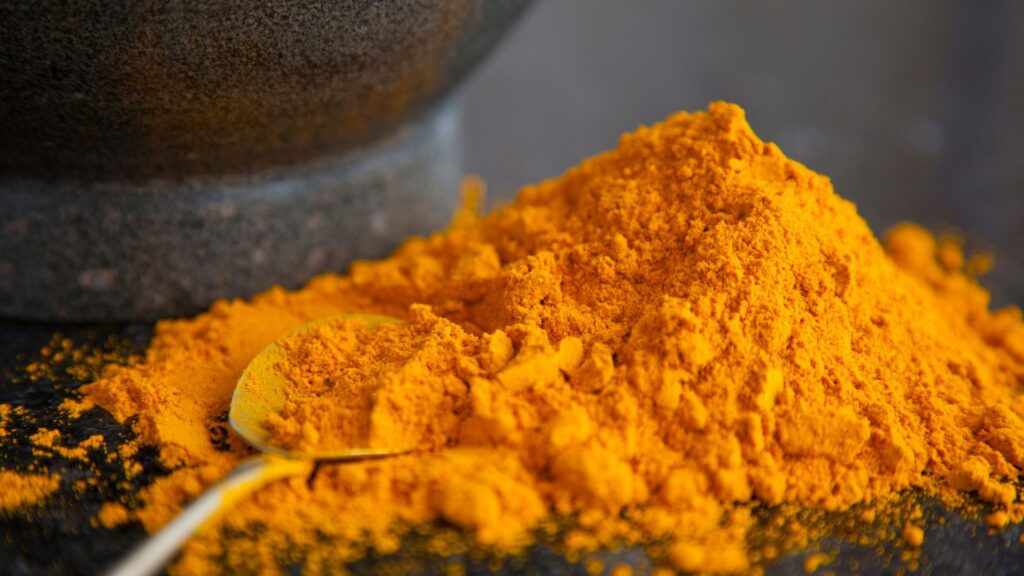
Turmeric powder is a vibrant spice derived from the dried and ground rhizome, or subterranean stem, of the Curcuma longa plant. A member of the ginger family, it flourishes across South Asia, particularly in the Himalayan foothills, where it has been a staple of Pahadi households for centuries. The production process involves boiling and sun-drying the rhizomes before they are milled into the fine, aromatic powder used globally today.
At the center of turmeric’s reputation is curcumin, a naturally occurring compound called a curcuminoid. Curcumin typically makes up only 2-5% of raw turmeric powder by weight, which is one reason concentrated extracts exist for research purposes — Turmeric contains roughly 2-5% curcuminoids by dry weight — Source: National Center for Complementary and Integrative Health, 2023. For everyday cooking and wellness use, though, whole turmeric powder remains the most accessible and traditional form.
Why Does Turmeric Powder Matter for Health?
Turmeric is a cornerstone of modern nutrition due to its concentrated delivery of bioactive compounds that bolster inflammatory response, antioxidant defense, and digestive function. While Ayurvedic medicine has utilized turmeric for millennia, contemporary clinical research now validates these traditional applications. For a comprehensive understanding of how such botanicals integrate into holistic health, our guide to Ayurvedic spices offers further historical and functional context.
Global interest in turmeric has grown sharply alongside consumer demand for natural, whole-food remedies. Curcumin research output has expanded dramatically, with thousands of peer-reviewed studies published on the compound over the past two decades—over 3,000 curcumin-related studies have been published since 2000—Source: PubMed database analysis, 2024. That volume of research doesn’t guarantee every claim holds up, but it does explain why turmeric has moved from a niche Ayurvedic staple to a mainstream wellness ingredient.
What Are the Main Health Benefits of Turmeric Powder?
The therapeutic value of turmeric powder is primarily attributed to curcumin’s potent anti-inflammatory and antioxidant activities. These mechanisms provide a foundation for systemic benefits, particularly concerning joint mobility, gastrointestinal health, immune resilience, and dermatological vitality.
Does Turmeric Powder Really Help With Inflammation?
Clinical literature indicates that curcumin effectively modulates markers of chronic, low-grade inflammation—a known precursor to various systemic conditions, including arthritis and metabolic syndrome. Research reviews have demonstrated that curcumin supplementation can reduce inflammatory markers with an efficacy comparable to certain over-the-counter interventions in mild cases. To maximize results, turmeric should be incorporated into a dietary pattern rich in other natural anti-inflammatory foods, such as cruciferous vegetables and omega-3-rich fish.
Antioxidant Effects and Joint Support
As a powerful antioxidant, curcumin neutralizes free radicals, protecting cellular structures from oxidative stress. This protective quality is particularly beneficial for joint health; regular consumption is associated with improved comfort and reduced stiffness in individuals managing mild osteoarthritis. Furthermore, several controlled trials suggest that consistent curcumin intake correlates with measurable improvements in long-term joint function.
Immunity and Skin Health
Turmeric’s antioxidant properties also strengthen the immune system by mitigating the oxidative burden that can compromise immune responses. For those seeking synergistic pairings, the benefits of buransh squash offer a similar phytochemical profile that complements turmeric’s effects. Additionally, its anti-inflammatory nature makes it a valuable component in topical applications, traditionally used to soothe minor skin irritations and promote a radiant, even complexion.
Why Should You Pair Turmeric With Black Pepper?
To optimize the benefits of turmeric, it must be paired with black pepper. Piperine, the active alkaloid in pepper, has been shown to increase curcumin’s bioavailability by up to 2,000% by inhibiting its rapid metabolism in the liver and gut (Source: Planta Medica, 1998). Because curcumin is lipophilic (fat-soluble), consuming it alongside a healthy fat source—as seen in traditional “golden milk” preparations—further ensures efficient systemic absorption.
| Absorption Booster | How It Works | Practical Pairing |
| Black pepper (piperine) | Slows curcumin breakdown in the liver and gut | Pinch of pepper in turmeric tea or curry |
| Healthy fat | Curcumin is fat-soluble, so fat aids uptake | Ghee, coconut milk, or olive oil |
| Heat | Cooking can improve curcumin’s solubility | Simmering turmeric in soups or golden milk |
How to Use Turmeric Powder Daily
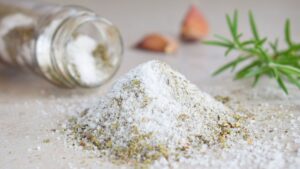
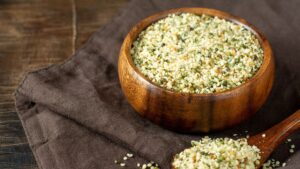
Integrating turmeric into your daily routine is seamless through diverse culinary and topical methods. Golden milk—a traditional infusion of turmeric, healthy fats, and black pepper—remains a gold standard for delivery. In savory applications, pairing turmeric with Pahadi Garlic Salt or Pahadi Mix Salt enhances both the flavor profile and functional utility of a dish. For a unique, nutrient-dense seasoning, Pahadi Hemp Salt provides a nutty finish that pairs exceptionally well with turmeric-seasoned roasted vegetables.
Can Turmeric Powder Help With Digestion and Gut Health?
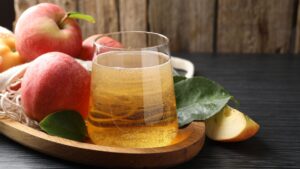
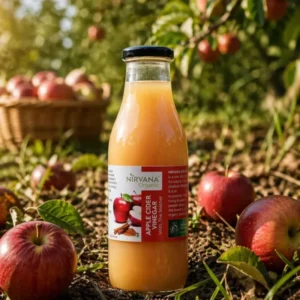
Turmeric facilitates digestion by stimulating the production of bile, which is essential for the emulsification and absorption of fats. For optimal gastrointestinal support, consider pairing turmeric-rich meals with high-fiber ingredients like Himalayan Rajma. Additionally, Himalayan Bhatt offers a protein-rich complement to turmeric-seasoned dishes. Many wellness enthusiasts also combine turmeric with apple cider vinegar as part of a comprehensive morning digestive protocol.

How Much Turmeric Powder Should You Take Daily?
For general wellness maintenance, a daily intake of one-quarter to one full teaspoon of turmeric powder is typically recommended. It is advisable to begin with a smaller dose to assess individual tolerance and gradually increase as needed to avoid potential gastrointestinal sensitivity.
Are There Any Side Effects of Turmeric Powder?
While moderate culinary use is safe for most adults, excessive doses may cause mild gastric distress. High-dose supplements have occasionally been associated with liver stress in specific case studies; therefore, consistency and moderation are key to a safe wellness routine.
Who Should Avoid or Limit Turmeric Powder?
People taking blood-thinning medication should be cautious, since curcumin may have mild blood-thinning properties of its own. Similarly, individuals with gallstones or bile duct obstruction should consult a doctor first, since turmeric stimulates bile flow. Pregnant individuals are also generally advised to limit high-dose turmeric supplementation and stick to normal culinary amounts.
How Do You Choose High-Quality Turmeric Powder?
Select turmeric powder that lists Curcuma longa as the primary and only ingredient, ensuring it is free from fillers or artificial colorants. A deep, vivid hue and a pungent, earthy aroma are reliable indicators of high curcumin content. To preserve potency, store the powder in an airtight container, shielded from direct light and heat.
Conclusion
Turmeric powder is a powerful tool for health when used correctly, offering significant anti-inflammatory and antioxidant benefits that are maximized through proper absorption strategies. Whether incorporated into a morning beverage or a primary meal, consistent and informed use can profoundly enhance your long-term wellness. By pairing this ancient spice with modern nutritional science, you can achieve a more balanced and resilient health profile.
Written by the Nirvana Organic Editorial Team—health and wellness content specialists focused on traditional Himalayan ingredients.
Reviewed by a certified nutrition consultant with experience in Ayurvedic dietary practices.