
Apple Cider Vinegar and Baking Soda for Weight Loss: The Complete, Evidence-Based Guide


You have likely encountered the apple cider vinegar (ACV) and baking soda combination trending across digital platforms as a rapid weight-loss solution. However, before integrating this mixture into your routine, it is essential to distinguish between scientific evidence and anecdotal claims. This guide meticulously analyzes the supporting data, chemical interactions, and safety considerations to provide a clear perspective on its efficacy.
Key Takeaways
- Apple cider vinegar and baking soda are common home remedies, diluted in water; proponents suggest they facilitate weight loss, though clinical validation remains limited.
- Research on ACV alone indicates only modest and inconsistent effects on appetite regulation and glycemic control; notably, no clinical studies specifically investigate the ACV-and-baking-soda combination.
- A widely cited 2024 trial claiming dramatic ACV weight-loss results was retracted in September 2025 after statisticians flagged implausible data—Source: BMJ Group, 2025.
- The chemical reaction between an acid (vinegar) and a base (baking soda) produces a fizzing effect that neutralizes much of the vinegar’s acidity, potentially diminishing the very biological benefits attributed to the vinegar.
- One teaspoon of baking soda contains roughly 1,260 mg of sodium—near the full daily limit for a healthy adult—Source: FDA sodium guidance, cited in Elchemy, 2026.
- Frequent or undiluted ACV can erode tooth enamel, since it has a pH of about 2 to 3, well below the 5.5 threshold where enamel softens—Source: Aspen Dental, 2026.
- Effective and sustainable weight management is most reliably achieved through nutritional quality, physical activity, restorative sleep, and stress regulation rather than a single beverage.
What Is the Apple Cider Vinegar and Baking Soda Weight Loss Trend?
The apple cider vinegar and baking soda trend is a traditional remedy involving the dilution of both ingredients in water, typically consumed prior to meals. While wellness blogs and social media often frame it as a “detox” or “fat flush,” it is important to note that there is no documented clinical origin for this protocol. Instead, it has evolved as a folk remedy, combining two ingredients that possess independent reputations in the health and wellness space.
Why This Combination Is Popular for Weight Loss
This combination maintains its popularity by promising a multi-faceted approach: appetite suppression, systemic “alkalization,” and detoxification. Proponents argue that baking soda neutralizes stomach acid to alleviate bloating, while ACV is purported to delay digestion and reduce cravings. However, physiological reality often contradicts these claims; the human body maintains a tightly regulated pH through the renal and respiratory systems, making the “alkalizing” benefit scientifically questionable. Its low cost and accessibility further drive its proliferation despite the lack of robust research.
Does Apple Cider Vinegar Actually Help with Weight Loss?
Current research suggests that apple cider vinegar has only a marginal impact on weight loss. According to Stanford Medicine, evidence—excluding one now-retracted trial—is “limited and inconsistent,” characterized by small sample sizes and short-term durations—Source: Healio, 2025. While some pilot studies suggest that acetic acid may delay gastric emptying and provide mild satiety, a significant 2024 randomized trial reporting substantial weight-loss results was retracted by BMJ Group in September 2025 after statisticians identified biologically implausible data. This retraction is critical, as the study remains widely cited in outdated wellness content.

What Happens When You Mix Apple Cider Vinegar and Baking Soda?
Combining vinegar and baking soda initiates an acid-base reaction that yields carbon dioxide gas, water, and sodium acetate. This process neutralizes the acetic acid—the primary component associated with ACV’s metabolic influence. Consequently, the characteristic fizzing is not an indication of enhanced potency but rather a sign that the mixture has been chemically altered, potentially rendering the vinegar less effective.
Is Drinking Apple Cider Vinegar and Baking Soda Safe Every Day?
Regular consumption of this mixture presents significant cumulative risks. Baking soda is exceptionally high in sodium, containing approximately 1,260 mg per teaspoon—nearly 55% of the FDA’s recommended daily limit for healthy adults and exceeding the limit for individuals with hypertension—Source: Elchemy, 2026. Furthermore, frequent exposure to ACV can cause irritation to the esophageal and gastric linings. Clinical professionals generally discourage daily use without medical supervision, particularly for those with cardiovascular or renal concerns.
What Are the Side Effects of Apple Cider Vinegar and Baking Soda?
| Risk Factor | Apple Cider Vinegar | Baking Soda |
| Main concern | Tooth enamel erosion, throat irritation | Excess sodium, electrolyte imbalance |
| Who’s most at risk | Frequent/undiluted drinkers | Kidney disease, high blood pressure, heart failure |
| Possible reaction | Acid reflux, nausea | Bloating, gas, metabolic alkalosis |
| Drug interactions | Can affect insulin, diuretics | Can alter absorption of some medications |
The severity of side effects typically correlates with the frequency and concentration of the dose. While an occasional diluted serving of ACV is generally benign, chronic undiluted use can lead to substantial enamel degradation over time—Source: Aspen Dental, 2026. Excessive intake of baking soda has also been linked, in severe instances, to metabolic alkalosis and critical potassium deficiencies—Source: Drugs.com, 2025.
How Should You Prepare an Apple Cider Vinegar and Baking Soda Drink?
While not a clinical recommendation, common wellness practices involve diluting one tablespoon of ACV in a large glass of water, occasionally adding a small amount of baking soda. To mitigate the risk of tooth enamel erosion, many sources suggest drinking the mixture through a straw and rinsing the mouth with plain water immediately afterward.
Can Baking Soda Alone Help with Weight Loss?
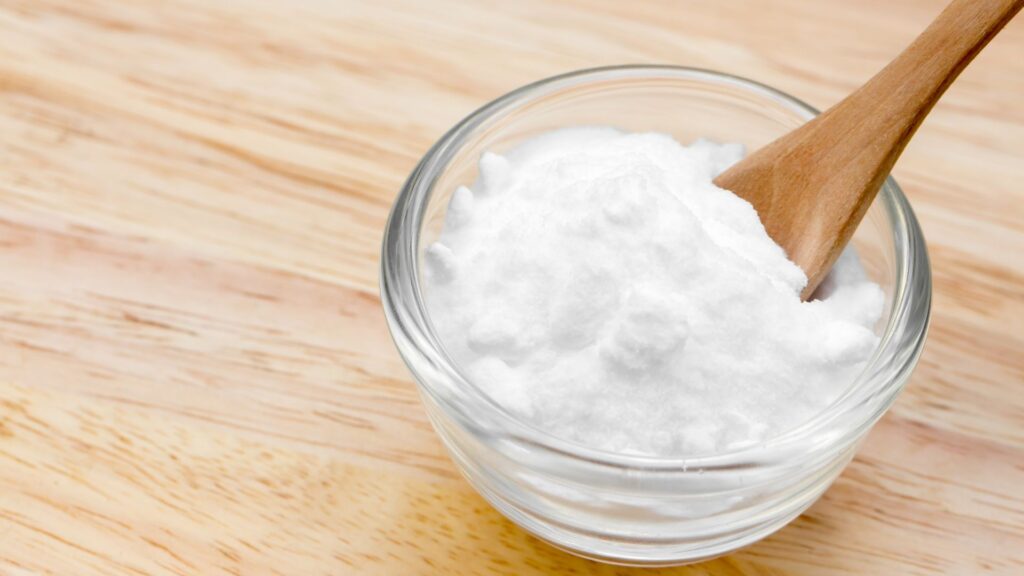
Baking soda lacks an established biological mechanism for fat reduction. Its primary applications are as an antacid and, in clinical settings, for managing acid-base imbalances in renal disease. There is no credible scientific evidence to support the use of baking soda as a standalone weight-loss intervention.
What Are Evidence-Based Alternatives for Sustainable Weight Loss?
Foundational habits consistently yield better long-term outcomes than singular remedies. Prioritizing dietary fiber and protein—incorporating nutrient-dense options like Himalayan Bhatt or Himalayan Rajma—promotes satiety more effectively than a carbonated drink. Combining these nutritional choices with regular exercise, sufficient sleep, and healthier seasoning alternatives, such as Pahadi Mix Salt, offers a more sustainable approach. Consulting with a registered dietitian or maintaining a food journal can further personalize and optimize your weight management journey.
What’s Next: A Realistic, Safe Way to Explore This Remedy
For those interested in exploring this remedy, moderation and proper dilution are paramount. Limit consumption to occasional, well-diluted servings and avoid use entirely if you have underlying cardiovascular, renal, or hypertensive conditions. Discontinue use immediately if you experience gastric distress or dental sensitivity, and always consult a healthcare professional before making it a part of your daily routine.
Conclusion
The apple cider vinegar and baking soda trend lacks rigorous clinical backing, and the chemical interaction between the two may actually neutralize the potential benefits of ACV. By understanding the underlying science and associated risks, you can make informed health decisions rather than relying on viral shortcuts. Lasting weight management is best achieved through the synergy of balanced nutrition and consistent physical activity.
Written by the Nirvana Organic Editorial Team, health and wellness content specialists focused on Himalayan and natural remedies.
Reviewed by Amit kumar, a registered dietitian with expertise in nutrition science and weight management.