Rajma curry is a beloved staple on Indian dinner tables—comforting, filling, and deeply familiar. However, not all rajma is created equal. The specific region where it is cultivated and the farming methods used can significantly impact its nutritional profile and safety. In this guide, we explore exactly why organic Himalayan rajma is a superior choice that deserves a permanent place in your pantry.
Key Takeaways
- Organic Himalayan rajma is a variety of kidney bean grown in the Himalayan foothills without synthetic pesticides or fertilizers.
- It provides high levels of plant-based protein and dietary fiber, supporting muscle repair and digestive health.
- Its low glycemic index makes it a suitable choice for people managing blood sugar levels.
- Organic farming practices reduce chemical residue exposure compared to conventionally grown rajma.
- Rajma is rich in iron and folate, both of which support energy levels and red blood cell production.
- The beans can be incorporated into everyday meals such as curries, salads, and soups with minimal preparation changes.
- Proper soaking and cooking are necessary to maximize nutrient absorption and digestibility.
What Is Organic Himalayan Rajma?
Organic Himalayan rajma is a variety of kidney bean cultivated in the foothills and valleys of the Himalayas without synthetic pesticides, chemical fertilizers, or genetically modified inputs. Farmers in these high-altitude regions rely on traditional crop rotation, natural composting, and mineral-rich mountain soil instead of industrial chemicals. This slower, low-intervention growing style is one reason the beans develop their characteristically dense texture and earthy flavor.
The “Himalayan” part of the name refers to the growing region, not just a marketing label. One well-known example is Munsiyari rajma, a GI-tagged Himalayan variety grown in the high valleys of Uttarakhand, prized for its unusually large size and creamy interior. Organic certification, meanwhile, confirms that no synthetic agrochemicals were used at any stage of cultivation. Together, these two factors-origin and farming method-set Himalayan rajma apart from the mass-produced rajma found in most supermarkets.
Why Is Himalayan Rajma Different From Regular Rajma?
Himalayan rajma differs from regular rajma primarily in where it’s grown, how it’s farmed, and the resulting nutrient density. Regular commercial rajma is often grown in intensively farmed plains using synthetic fertilizers and pesticides to maximize yield and speed up harvest cycles. This approach tends to prioritize volume over nutritional quality.
By contrast, Himalayan rajma grows more slowly at higher altitudes, in mineral-rich soil with wide temperature variation between day and night. As such, the beans absorb more natural minerals over a longer growing period. For example, farmers in remote Himalayan belts still follow generations-old organic practices simply because chemical inputs were never widely accessible there, making “organic” as much a tradition as a certification.
What Nutrients Does Organic Himalayan Rajma Contain?
Organic Himalayan rajma is a nutrient-dense legume that delivers high amounts of plant-based protein, dietary fiber, iron, and folate in every serving. A 100-gram cooked serving typically provides close to 8-9 grams of protein and 6-7 grams of fiber, making it a strong plant-based staple for vegetarian diets — Source: Indian Council of Medical Research (ICMR), National Institute of Nutrition, 2023.
| Nutrient | Approx. Amount (per 100g cooked) | Key Benefit |
| Protein | 8-9 g | Muscle repair and growth |
| Dietary Fiber | 6-7 g | Digestive and gut health |
| Iron | 2.5-3 mg | Red blood cell production |
| Folate | 120-130 mcg | Energy metabolism |
| Complex Carbohydrates | 20-22 g | Sustained, slow-release energy |
Rajma is also packed with complex carbohydrates that digest slowly, providing a steady stream of energy. This is why it is often recommended alongside other nutritional powerhouses like Himalayan Bhatt, another protein-rich legume traditionally grown in the same pristine mountain belts.
How Does Organic Rajma Support Heart Health?
Organic Himalayan rajma supports heart health mainly through its soluble fiber content and near-zero saturated fat. Soluble fiber binds to cholesterol particles in the digestive tract and helps the body eliminate them rather than absorb them. Diets rich in legumes like rajma have been linked to lower LDL cholesterol levels—Source: National Institutes of Health, 2022.
Moreover, rajma is naturally low in sodium when cooked without excess added salt. This makes it easier to build heart-friendly meals without sacrificing flavor, especially when paired with mild, mineral-based seasonings instead of processed salt blends.
Can Rajma Help With Blood Sugar Management?
Rajma is an excellent ally for blood sugar management. Thanks to its low glycemic index, it releases glucose into the bloodstream gradually, preventing the sharp spikes associated with refined grains. For instance, simply swapping white rice for a rajma-based dish can significantly reduce the overall glycemic load of your meal.
At the same time, the fiber and protein in rajma slow gastric emptying, which further smooths out post-meal glucose response. This combination is one reason nutritionists frequently recommend legumes as a base ingredient for blood-sugar-conscious meal planning.
Is Organic Himalayan Rajma Good for Digestion?
Absolutely. Organic Himalayan rajma supports digestive health through its high fiber content, which acts as a prebiotic to feed beneficial gut bacteria. Furthermore, choosing organic means you are reducing your body’s exposure to synthetic pesticide residues, allowing your digestive system to function without unnecessary chemical burdens.
That being said, digestion depends heavily on preparation. Improperly soaked or undercooked rajma can cause bloating in sensitive individuals, which is why cooking method matters just as much as the bean itself.
How Does Organic Farming Improve the Quality of Rajma?
Organic farming improves rajma quality by eliminating synthetic pesticide residue and allowing beans to develop naturally over a longer growing cycle. Conventional farming often uses chemical growth accelerants to shorten harvest time, which can reduce mineral uptake in the final crop. Organic Himalayan farms skip this step entirely, relying instead on composting and natural pest deterrents.
Plus, organic soil management tends to preserve long-term soil fertility, which keeps nutrient density consistent across harvest seasons. This is one reason many wellness-focused shoppers are also exploring related Himalayan staples, including buransh squash as another Himalayan superfood grown using similar low-intervention methods.
How Should You Prepare Rajma to Maximize Its Nutrients?
To maximize nutrients, rajma should be soaked for at least 8-12 hours and cooked thoroughly before eating. Soaking helps break down phytic acid, a compound that can otherwise interfere with mineral absorption. First, rinse the beans well; then soak them overnight in fresh water before discarding the soaking liquid and cooking with clean water.
For a traditional preparation, many households finish the curry with A2 cow ghee for cooking rajma the traditional way, which adds richness while staying true to how rajma has historically been prepared in Himalayan kitchens.
What Are Easy Ways to Add Rajma to Your Daily Diet?
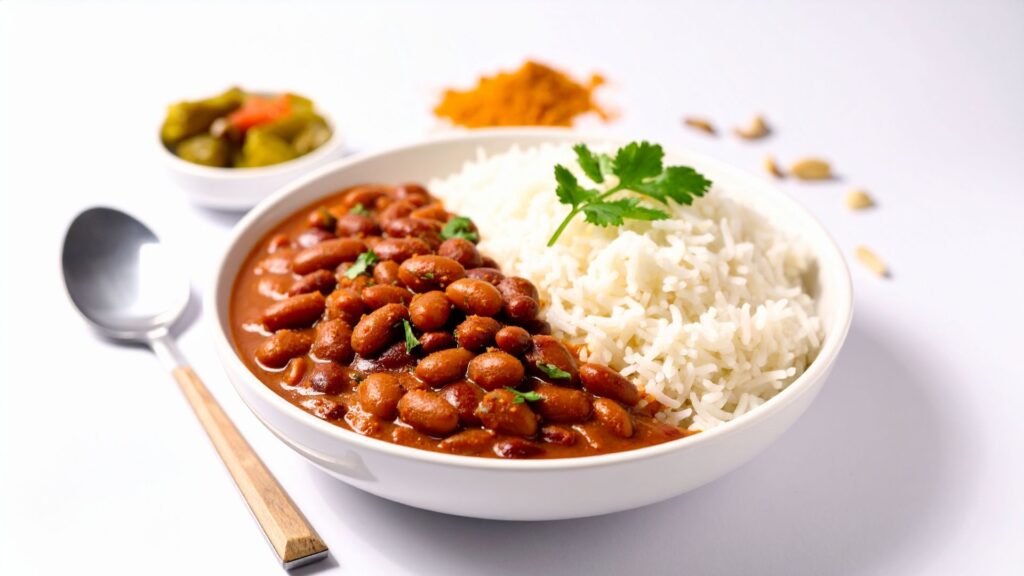
Rajma can be added to your daily diet through simple substitutions in curries, salads, soups, and even wraps. The most familiar option is classic rajma-chawal, but the beans work equally well in cold salads or blended into soups for extra protein.
- Add cooked rajma to a mixed vegetable salad for a protein boost.
- Blend rajma into a thick, warming winter soup.
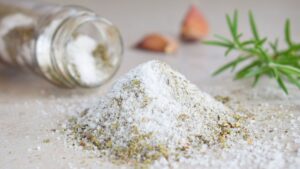
- Season your curry with Pahadi Mix Salt for seasoning your rajma curry for a traditional mountain flavor profile.
- Try Pahadi Garlic Salt to enhance traditional recipes when you want a bolder, garlicky finish.
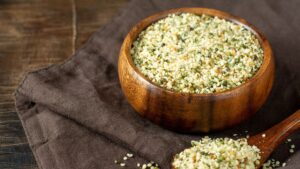
- Sprinkle Pahadi Hemp Salt for added mineral content over rajma-based bowls for an extra nutritional lift.
Who Should Be Careful When Eating Rajma?
People with legume sensitivities or certain digestive conditions should be careful when eating rajma and introduce it gradually. Raw or undercooked kidney beans contain a natural compound called phytohaemagglutinin, which can cause digestive discomfort if the beans aren’t boiled thoroughly. Always cook soaked rajma at a rolling boil for the full recommended time rather than relying on a slow cooker alone for the initial cook.
Additionally, individuals with irritable bowel syndrome (IBS) or similar conditions may want to start with smaller portions to gauge tolerance before making rajma a regular part of their meals.
What’s Next: Simple First Steps to Try Organic Himalayan Rajma
Integrating organic Himalayan rajma into your routine doesn’t require a total diet overhaul. Start small by substituting it in a familiar recipe like rajma-chawal to appreciate the difference in flavor and texture. Once you’ve tasted the quality, experiment with vibrant salads or hearty soups to keep your meals exciting and nutrient-dense.
For those exploring more traditional Himalayan pantry staples alongside rajma, ragi cookies as another nutritious traditional food offer a simple, ready-to-eat way to round out a clean-eating routine.
Conclusion
Organic Himalayan rajma brings together clean farming practices, dense nutrition, and centuries of traditional preparation in a single, familiar ingredient. From supporting heart health and blood sugar management to offering a reliable plant-based protein source, it’s a small swap with meaningful benefits. The next time you’re planning your weekly meals, consider making the switch, your regular rajma-chawal night just got a nutritional upgrade.
Written by The Nirvana Organic Editorial Team—writers focused on traditional Himalayan foods and clean-eating nutrition content.
Reviewed by a registered nutrition consultant specializing in plant-based and traditional Indian diets.