While many appreciate honey as a healthier alternative to refined sugar, few realize the complex nutritional power of forest honey. Sourced from a diverse array of wild forest flora, this “liquid gold” offers a unique phytochemical profile that sets it apart from conventional varieties. This comprehensive guide explores the science-backed health benefits of forest honey, its nutritional composition, practical applications, and how to identify high-quality, authentic products for your wellness routine.
Key Takeaways
- Forest honey is naturally produced by bees that collect nectar from diverse wild forest flowers, creating a rich flavor and nutrient profile.
- Natural antioxidants in honey may help reduce oxidative stress and support overall wellness as part of a balanced diet.
- Forest honey nutrition includes natural sugars, enzymes, amino acids, minerals, and beneficial plant compounds.
- Raw forest honey can be used in herbal remedies, tea, smoothies, skincare, and as a healthier natural sweetener.
- Moderate consumption is essential because honey remains a source of natural sugar.
- Authentic honey should be purchased from trusted organic brands with transparent sourcing.
- Infants under one year, people with diabetes, and individuals allergic to bee products should follow appropriate precautions before consuming honey.
What Is Forest Honey and How Is It Different from Regular Honey?
Forest honey is a premium, natural sweetener produced by bees that forage across a vast spectrum of wild flowers, medicinal herbs, and forest trees. This biodiversity is the secret behind its therapeutic potency.
Unlike honey derived from single-crop mono-cultures, wild honey captures the essence of an entire ecosystem. This results in a more robust aroma, a characteristically darker hue, and significantly higher concentrations of antioxidants and bioactive plant compounds.
For example, bees may collect nectar from wild herbs, flowering trees, medicinal shrubs, and seasonal forest blossoms, giving each batch a distinctive taste depending on the region and season.
Forest honey vs regular honey
| Feature | Forest Honey | Regular Honey |
| Nectar Source | Wild forest flowers and trees | Farm crops or cultivated flowers |
| Flavor | Rich, bold, complex | Mild and consistent |
| Color | Amber to dark brown | Light yellow to amber |
| Antioxidants | Generally higher | Moderate |
| Processing | Often raw or minimally processed | Frequently filtered and heated |
Statistic: India ranks among the world’s largest honey producers, producing over 120,000 metric tonnes annually — Source: FAOSTAT, 2024
Why Does Forest Honey Matter?
Honey matters because it provides natural sweetness while supplying beneficial bioactive compounds that refined sugar does not contain.
First, forest honey has been valued in Ayurveda for centuries as a natural ingredient supporting digestion, respiratory health, and overall vitality.
Second, consumers increasingly prefer organic forest honey because it is minimally processed and retains naturally occurring enzymes and antioxidants.
Third, supporting responsibly harvested honey encourages sustainable beekeeping and helps maintain healthy forest ecosystems that pollinate thousands of plant species.
For example, healthy bee populations contribute significantly to global agriculture. Approximately 75% of leading food crops benefit from animal pollination — Source: FAO, 2023
best organic honey varieties → Organic Honey Buying Guide
What Nutrients Are Found in Forest Honey?
This honey contains carbohydrates, natural sugars, antioxidants, enzymes, amino acids, vitamins, and trace minerals.
While honey is primarily composed of natural fructose and glucose, forest varieties are distinguished by their rich concentration of minor components—enzymes, minerals, and organic acids—that provide its functional health value.
Forest Honey Nutrition (Approx. Per 100g)
| Nutrient | Amount |
| Calories | 304 kcal |
| Carbohydrates | 82 g |
| Natural Sugars | 82 g |
| Protein | 0.3 g |
| Fat | 0 g |
| Potassium | 52 mg |
| Calcium | 6 mg |
| Iron | 0.42 mg |
| Antioxidants | Present |
| Enzymes | Present |
| Polyphenols | Present |
Moreover, darker varieties of honey often contain greater concentrations of polyphenols, which contribute to antioxidant activity.
Statistic: Honey contains over 180 naturally occurring compounds, including sugars, enzymes, organic acids, and antioxidants, Source: Journal of Agricultural and Food Chemistry
What Are the Top Health Benefits of Forest Honey?
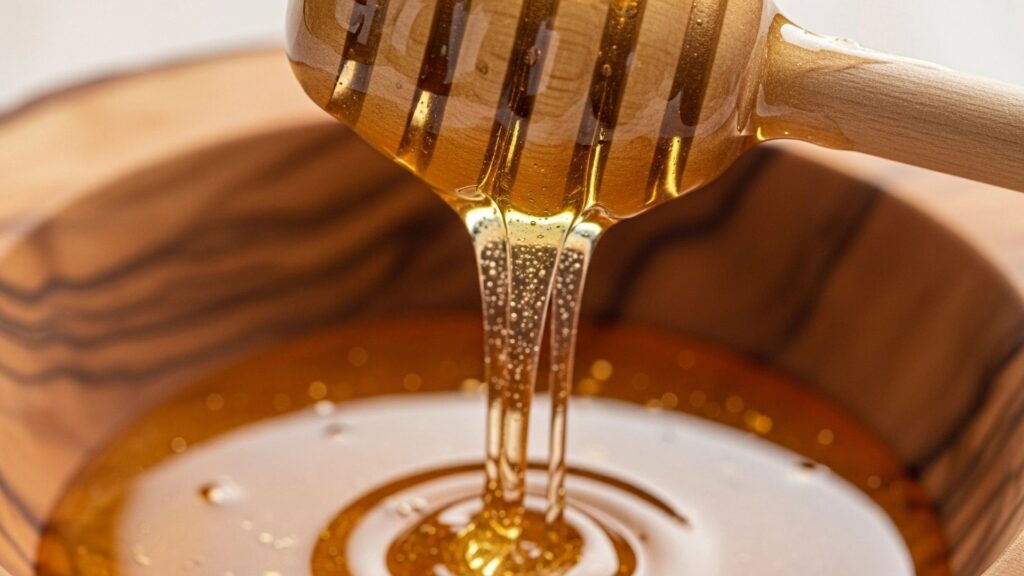
The therapeutic value of honey lies in its impressive density of antioxidants and antimicrobial properties, which can play a supportive role in a proactive health regimen.
Rich Source of Antioxidants
First, antioxidants help neutralize free radicals that contribute to oxidative stress.
For example, darker honey generally contains higher antioxidant activity than lighter varieties because of its richer polyphenol content.
Supports Immunity
Second, honey provides naturally occurring antioxidants that support normal immune function when consumed as part of a healthy diet.
However, it should complement—not replace—a nutritious lifestyle.
natural immunity boosting foods → Immunity Foods Guide
May Help Soothe Coughs and Sore Throats
Moreover, honey has long been used as a home remedy for cough relief.
Research suggests honey may reduce nighttime coughing in children over one year of age and adults.
Statistic: Honey has demonstrated effectiveness in relieving acute cough symptoms in several clinical studies—Source: Cochrane Review, 2021
Supports Digestive Wellness
Additionally, honey contains naturally occurring oligosaccharides that may support beneficial gut bacteria.
A teaspoon of honey with warm water in the morning is a popular traditional wellness practice.
Natural Energy Booster
Because honey contains readily digestible carbohydrates, it provides a quick source of natural energy.
Many athletes consume honey before workouts for sustained fuel.
Supports Skin Health
Honey’s moisturizing and antibacterial properties make it a common ingredient in DIY face masks and skincare formulations.
May Promote Heart Health
Some research suggests antioxidant-rich foods may contribute to cardiovascular wellness by reducing oxidative stress.
However, honey should be consumed in moderation due to its sugar content.
How Does Forest Honey Support the Immune System?
Forest honey acts as a natural immune modulator by supplying the body with critical antioxidants and polyphenols that protect cellular integrity against oxidative damage.
While no single food is a panacea, integrating forest honey with other nutrient-dense ingredients can significantly enhance your body’s natural defenses.
For example:
- Warm water + forest honey + lemon
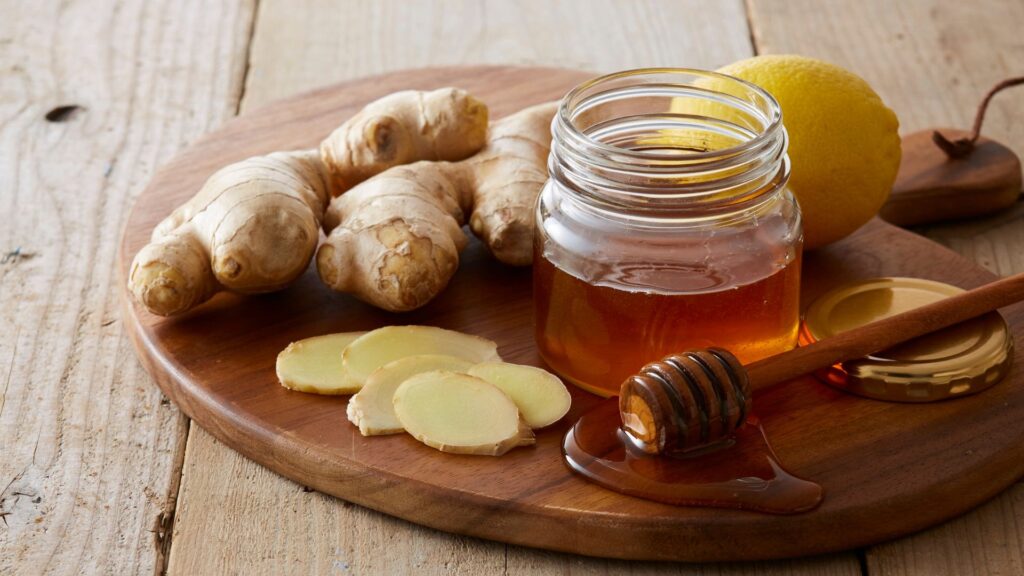
- Ginger and forest honey
- Tulsi tea with forest honey
Can Forest Honey Help Relieve Coughs and Sore Throats?
Forest honey may soothe coughs by coating the throat and reducing irritation.
Many households use honey with ginger or warm herbal tea during seasonal illnesses.
However, honey should never be given to infants younger than one year due to the risk of infant botulism.
Is Forest Honey a Good Alternative to Refined Sugar?
Forest honey can be a healthier alternative to refined sugar because it contains beneficial micronutrients and antioxidants in addition to natural sugars.
Nevertheless, honey still contributes calories and sugar, so portion control remains important.
How Should You Consume Forest Honey for Maximum Benefits?
Forest honey is best consumed in moderation without exposing it to excessive heat.
Daily Recommendations
- Adults: 1–2 teaspoons daily
- Add to warm—not boiling—water
- Mix into smoothies
- Stir into herbal tea
- Use as a breakfast topping
- Consume before workouts for natural energy
Avoid boiling honey because excessive heat may reduce some naturally occurring enzymes.
Who Should Avoid or Limit Forest Honey Consumption?
Some individuals should limit or avoid forest honey based on age or medical conditions.
Use Caution If You Are:
- Babies under one year
- Individuals with diabetes
- People allergic to bee products
- Those following calorie-restricted diets
Consult your healthcare provider if you have chronic health conditions.
How Can You Identify Authentic Pure Forest Honey?
Authentic forest honey should have a natural aroma, gradual crystallization, and transparent sourcing information.
Buying Checklist
✔ Raw or minimally processed
✔ Organic certification (where applicable)
✔ No added sugar or syrups
✔ Trusted brand
✔ Transparent harvesting information
✔ Batch number and traceability
Remember that crystallization is a natural process and does not necessarily indicate poor quality.
Also Read This: The Ultimate Guide to the Benefits of Apple Cider Vinegar on an Empty Stomach
Does Scientific Research Support the Health Benefits of Forest Honey?
Scientific research supports several potential benefits of honey, although evidence varies depending on the type of honey and study design.
Research has shown that honey possesses:
- Antioxidant activity
- Antibacterial properties
- Anti-inflammatory potential
- Wound-healing support
However, most researchers agree that honey should complement—not replace—medical treatment prescribed by healthcare professionals.
Statistic: The World Health Organization recognizes honey as a traditional demulcent for cough symptom relief in some contexts—Source: WHO
Practical Ways to Use Forest Honey Every Day
Forest honey is easy to incorporate into daily wellness routines through beverages, recipes, and natural remedies.
Wellness Routine Ideas
- Morning lemon-honey drink
- Ginger and honey mixture
- Cinnamon and honey blend
- Herbal teas
- Smoothies
- Yogurt topping
- Oatmeal sweetener
What’s Next?
The next step is to start incorporating forest honey gradually into a balanced lifestyle while choosing authentic products from trusted sources.
Begin with one teaspoon daily, pair it with nutrient-rich foods, and observe how it fits your dietary routine.
When shopping, prioritize raw, natural, and responsibly harvested forest honey over heavily processed alternatives.
Conclusion
Forest honey is far more than a simple sweetener; it is a nutrient-dense gift from nature, offering a wealth of antioxidants and traditional wellness benefits. Whether you are seeking to support your immune system, soothe a seasonal cough, or find a more nourishing alternative to sugar, forest honey is a versatile and potent choice.
To truly reap these rewards, prioritize purity. By choosing raw, authentic forest honey and incorporating it mindfully into a balanced lifestyle, you can enjoy both its exquisite, complex flavor and its remarkable nutritional advantages.
Written by
Nirvana Organic Editorial Team
Organic Food & Ayurvedic Wellness Content Specialists with expertise in Himalayan natural products, nutrition research, and sustainable wellness education.
Reviewed by
Nirvana Organic Quality & Research Team
Experts in food quality, organic sourcing, nutrition, and evidence-based health information.