Most people reach for chickpeas, lentils, or protein powders when they think about plant-based protein. But tucked away in Himalayan kitchens is a humble black soybean called Bhatt that has quietly powered mountain communities for generations—and it may be one of the most protein-dense legumes you’ve never tried. This guide breaks down exactly what Bhatt is, why it deserves a place in your healthy lifestyle, and how to start cooking with it today.
Table of Contents
Key Takeaways
- Himalayan Bhatt is a black soybean variety traditionally grown and consumed in the hill regions of Uttarakhand and the wider Himalayas.
- Bhatt contains a high concentration of plant-based protein, making it a strong alternative to animal protein for vegetarians and vegans.
- The legume is also rich in dietary fiber, iron, and essential amino acids that support muscle repair and sustained energy.
- Regular consumption of Bhatt may support weight management, digestive health, and stable blood sugar levels.
- Traditional Himalayan cooking uses Bhatt in dals, soups, and roasted preparations that have sustained mountain communities for generations.
- Bhatt can be added to modern diets through simple substitutions in everyday recipes like dals, curries, and protein bowls.
- Choosing organic, traditionally sourced Bhatt supports both personal health and sustainable Himalayan farming practices.
What Is Himalayan Bhatt, and Where Does It Come From?
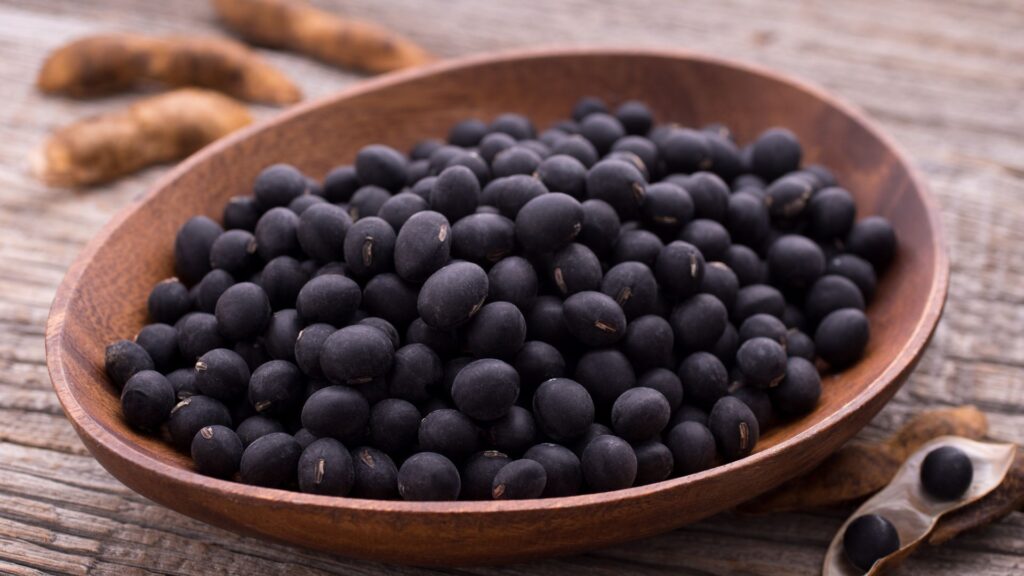
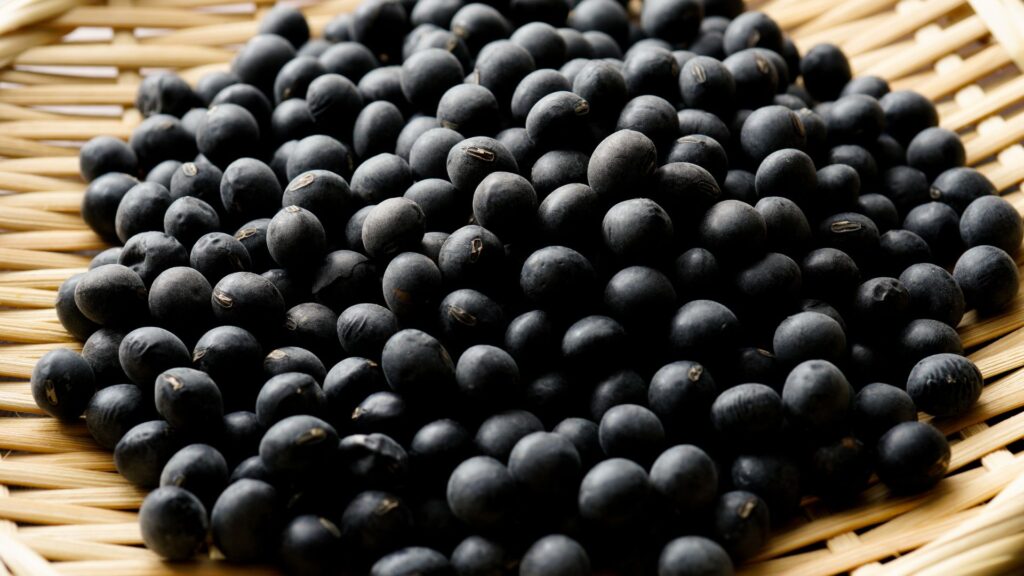
Himalayan Bhatt is a black soybean (Glycine max) traditionally cultivated in the hill districts of Uttarakhand and other Himalayan states. Farmers have grown it for centuries as a rainfed crop on terraced hillsides, where it thrives in cooler mountain climates. Unlike the yellow soybeans common in commercial food production, Bhatt has a dark, almost black seed coat and a denser, nuttier flavor.
For generations, Bhatt has been a dietary backbone in Pahadi (hill) households. It’s typically slow-cooked into a thick, smoky dal or roasted and ground into flour for winter dishes. This deep-rooted culinary history is part of why Bhatt is increasingly framed as a “hidden protein powerhouse”—it”‘s been quietly doing the work of sustaining mountain communities long before “plant-based protein” became a mainstream search term.
Why Does Protein Matter for a Healthy Lifestyle?
Protein matters for a healthy lifestyle because it builds and repairs muscle tissue, supports immune function, and keeps you fuller for longer. Adults need a steady supply of complete or complementary amino acids daily, and whole-food sources are generally preferred over processed powders. As such, plant-based eaters often need to be more intentional about combining protein sources to get a full amino acid profile.
This is exactly where legumes like Bhatt come in. For example, someone following a vegetarian diet might combine Bhatt with rice or wheat to form a more complete amino acid profile, similar to how rajma-chawal (kidney beans and rice) works nutritionally. If you’re building a broader plant-based protein routine, it’s worth exploring a high-protein plant-based diet essentials guide to understand how legumes fit into daily targets.
How Much Protein Does Bhatt Contain Compared to Other Legumes?
Himalayan Bhatt contains roughly 35-38 grams of protein per 100 grams, making it one of the most protein-dense legumes grown in India. Black soybean varieties like Bhatt generally test higher in protein than common pulses such as chana or moong. The whole soybean protein content of 36-40g per 100g is well documented in nutrition literature—Source: USDA FoodData Central, 2023.
| Legume (per 100 g, dry) | Protein | Fiber | Iron |
| Himalayan Bhatt (black soybean) | ~36g | ~9g | ~9mg |
| Rajma (kidney beans) | ~24 g | ~15g | ~6mg |
| Chana (chickpeas) | ~19g | ~12g | ~5mg |
| Moong dal | ~24 g | ~16g | ~6mg |
At the same time, Himalayan Bhatt also holds its own against more familiar Himalayan legumes. If you want a side-by-side look at another regional bean, Himalayan Rajma’s health benefits offer a useful comparison point for readers weighing their options.
Is Bhatt a Good Protein Source for Vegetarians and Vegans?
Yes, Himalayan Bhatt is considered a complete plant protein because it contains all nine essential amino acids in meaningful amounts. This makes it comparable to soy in general, which is one of the few plant foods classified as a complete protein source. Moreover, its fiber and iron content make it especially valuable for vegetarians who may otherwise struggle to hit iron targets from plant sources alone.
What Are the Health Benefits of Eating Himalayan Bhatt Regularly?
Eating Himalayan Bhatt regularly may support muscle repair, weight management, heart health, digestion, and blood sugar stability. Its high protein content aids muscle recovery after exercise, while its fiber slows digestion and promotes satiety. In addition, Bhatt’s mineral profile—particularly iron and magnesium—supports everyday energy levels.
Does Bhatt Help With Weight Management or Blood Sugar Control?
Bhatt can support weight management and blood sugar control because of its high protein-to-fiber ratio, which slows glucose absorption. For example, a fiber-rich legume meal generally produces a smaller blood sugar spike than a refined-carbohydrate meal of similar size. Diets higher in legume fiber are linked to improved glycemic control—Source: Harvard T.H. Chan School of Public Health, 2022. That being said, portion size and overall meal composition still matter for blood sugar outcomes.
How Is Bhatt Traditionally Used in Himalayan Cooking?
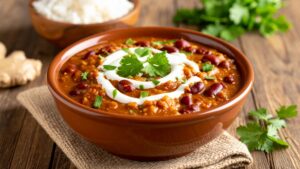
Bhatt is traditionally used in Himalayan cooking as a slow-simmered dal, a smoky soup called Bhatt ki Churkani, or roasted and ground into flour. In Kumaon and Garhwal households, the beans are often soaked overnight, then cooked for hours with local spices, garlic, and a finishing touch of ghee. For richer traditional flavor, many cooks still finish the dish with A2 cow ghee for cooking, a pairing passed down through generations.
Plus, roasted Bhatt flour is sometimes used to make thick, warming porridge during colder months. This method preserves nutrients while creating a dish suited to high-altitude, high-energy-demand living.
How Can You Add Bhatt to Your Everyday Diet?
You can add Bhatt to your everyday diet by substituting it for rajma or chana in familiar recipes like dals, curries, and protein bowls. First, soak the beans for 6-8 hours to reduce cooking time and improve digestibility. Then, pressure-cook them with onion, tomato, and basic spices for a simple weeknight dal.
- Add cooked Bhatt to grain bowls alongside rice or millet for a complete protein meal.
- Blend roasted Bhatt into a smoky dip, similar to hummus.
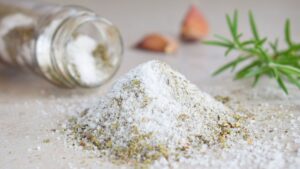
- Pair with organic Himalayan spice blends like Pahadi garlic or hemp salt for an authentic flavor boost.
- Use Bhatt flour in flatbreads for an extra protein and fiber punch.
[Insert image: A bowl of cooked Bhatt dal garnished with ghee and coriander | Alt text: “Traditional Bhatt ki dal recipe for high-protein diets”]
For those ready to start cooking, you can shop organic Himalayan Bhatt sourced directly from traditional Uttarakhand farms.
Are There Any Precautions to Consider Before Eating Bhatt?
Yes, people with soy sensitivities or thyroid conditions should be mindful when adding Bhatt to their diet, since it belongs to the soybean family. As such, it’s worth introducing it gradually and watching for any digestive discomfort. Moderate portions — roughly half a cup of cooked Bhatt per serving — are generally a reasonable starting point for most healthy adults.
Why Is Himalayan Bhatt Considered a Sustainable, Traditional Superfood?
Himalayan Bhatt is considered sustainable because it’s grown without heavy irrigation or chemical inputs on traditional hill farms. This low-input farming method has protected soil health in the region for generations. Choosing organic, traditionally sourced Bhatt directly supports these small Himalayan farming communities, alongside other regional staples featured in the brand’s Himalayan superfoods collection.
What’s Next: Making Bhatt a Lifestyle Staple
Start small: swap one weekly meal—a dal, a curry, or a grain bowl—for a Bhatt-based version. From there, experiment with roasted Bhatt snacks or flour-based recipes as you get comfortable with the flavor. If you’re building out a broader pantry of traditional Himalayan staples, dishes pair naturally with Munsiyari Rajma, a GI-tagged Himalayan bean, ragi cookies as a healthy snack, and buransh squash for antioxidants for a well-rounded, traditional-food approach to modern nutrition.
Also Read this: Why Organic Himalayan Rajma Is Worth Adding to Your Diet
Conclusion
Himalayan Bhatt isn’t a trendy new protein product—it’s a centuries-old staple that mountain communities have relied on for sustained energy and strength. With its dense protein content, rich mineral profile, and deep culinary roots, Bhatt offers a genuinely different way to think about plant-based protein. Start with one dish, one meal, and let this quiet Himalayan powerhouse earn its place in your kitchen.
Written by Amit kumar, a nutrition & food content writer specializing in traditional and regional Indian superfoods.
Reviewed by [Reviewer Name], Registered Dietitian/Nutrition Consultant with expertise in plant-based diets.