While many enjoy herbal teas for their refreshing, caffeine-free nature, few realize that lemongrass tea offers benefits that extend far beyond its pleasant citrus aroma. In this guide, we explore the proven advantages of drinking lemongrass tea, the science supporting its health claims, the optimal times to enjoy a cup, and practical ways to integrate it into your daily wellness routine.
Key Takeaways
- Lemongrass tea is a naturally caffeine-free herbal infusion derived from the Cymbopogon citratus plant.
- Antioxidants and citral in lemongrass may help protect cells from oxidative stress.
- Regular consumption can support digestion, hydration, and relaxation, contributing to overall wellness when paired with a healthy lifestyle.
- Unsweetened lemongrass tea can be a healthier alternative to sugary beverages.
- Fresh and dried lemongrass both make flavorful herbal tea with slightly different antioxidant profiles.
- Moderation matters. Most healthy adults can enjoy 1–3 cups daily, but pregnant individuals and people taking certain medications should consult a healthcare provider first.
What Is Lemongrass Tea and How Is It Made?
Lemongrass tea is a caffeine-free herbal infusion prepared from the leaves or stalks of the lemongrass plant (Cymbopogon citratus).
Native to South and Southeast Asia, lemongrass is widely used in Ayurveda, Thai cuisine, and traditional herbal medicine. It has a refreshing citrus aroma with mild earthy notes, making it one of the world’s most popular herbal teas.
The plant naturally contains beneficial compounds, including:
- Citral
- Flavonoids
- Phenolic antioxidants
- Chlorogenic acid
- Essential oils
These plant compounds are being studied for their antioxidant, antimicrobial, and anti-inflammatory properties, although more large-scale human studies are still needed.
Quick Fact: Tea is the second most consumed beverage worldwide after water. — Source: NCBI Books, 2025
Why Is Lemongrass Tea Considered a Healthy Herbal Drink?
Lemongrass tea is considered healthy because it provides hydration together with naturally occurring bioactive plant compounds without caffeine.
Unlike coffee or black tea, lemongrass tea contains no caffeine, making it suitable for people trying to reduce stimulant intake.
Its growing popularity comes from three main reasons:
- Traditional Ayurvedic wellness uses
- Modern interest in plant antioxidants
- Preference for natural beverages over sugary drinks
While laboratory and early human studies show great promise, researchers emphasize that lemongrass tea is intended to complement—not replace—professional medical treatment or a balanced diet.
best herbal teas for immunity → Herbal Tea Collection
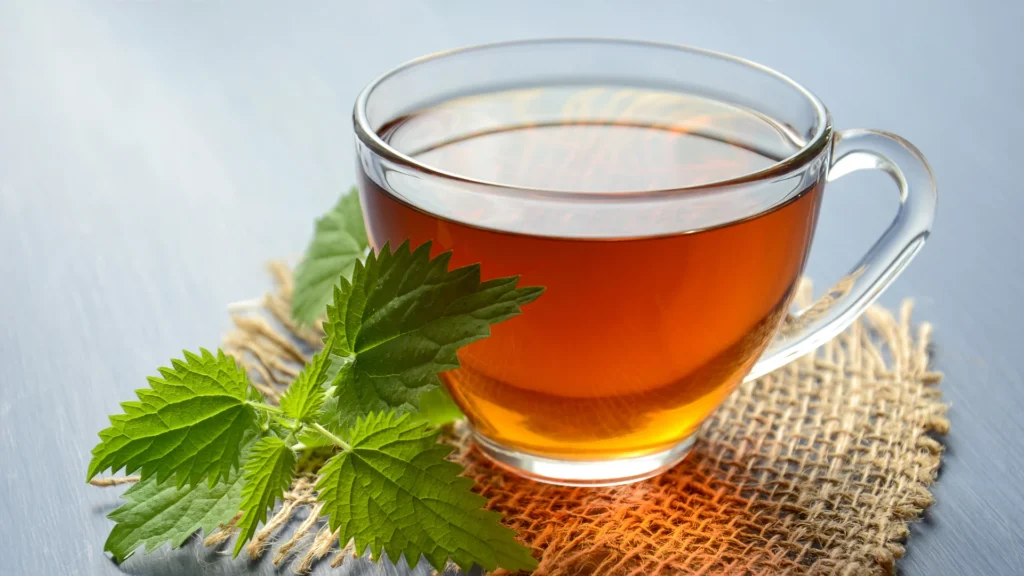
What Are the Top Advantages of Drinking Lemon Grass Tea Daily?
The main advantages of drinking lemon grass tea include antioxidant protection, digestive support, hydration, relaxation, and overall wellness.
1. Rich in Antioxidants
Antioxidants play a crucial role in neutralizing harmful free radicals that contribute to oxidative stress within the body.
Lemongrass contains flavonoids and phenolic compounds that may help protect healthy cells.
For example, several laboratory studies have identified significant antioxidant activity in lemongrass extracts.
2. Supports Digestion Naturally
Lemongrass tea has traditionally been used to ease digestion.
Enjoying a warm cup after a meal can help reduce bloating and encourage more comfortable digestion.
3. May Strengthen Immunity
Lemongrass contains antioxidants and antimicrobial compounds that may support the body’s natural immune defenses.
While no herbal tea can prevent illness on its own, replacing sugary beverages with antioxidant-rich herbal drinks can contribute to healthier daily habits.
4. Helps Reduce Inflammation
Citral, one of lemongrass’s primary compounds, has demonstrated anti-inflammatory activity in laboratory research.
Lower inflammation supports overall wellness and healthy aging, though clinical evidence in humans remains limited.
5. May Support Heart Health
Some preliminary studies suggest lemongrass may help maintain healthy cholesterol and blood pressure levels.
However, larger human clinical trials are still needed before firm conclusions can be made.
6. Can Assist Weight Management
Lemongrass tea is not a weight-loss miracle.
Rather, it acts as a valuable tool for healthy weight management by:
- Replacing sugary beverages
- Providing hydration
- Being naturally calorie-free (without added sugar)
A calorie deficit, balanced nutrition, and exercise remain the primary drivers of weight loss.
7. Promotes Relaxation
Many people enjoy lemongrass tea during the evening because it is naturally caffeine-free.
The calming ritual of sipping warm herbal tea can significantly enhance relaxation and support a more restful sleep routine.
8. Supports Healthy Skin
Healthy hydration and antioxidant intake help maintain normal skin function.
Although lemongrass tea alone won’t transform skin, drinking enough fluids and eating antioxidant-rich foods contributes to overall skin health.
9. Helps Maintain Hydration
Hydration supports nearly every body system.
Replacing sweetened drinks with unsweetened herbal tea helps many people increase daily fluid intake.
10. May Help Support Healthy Blood Sugar
Some early research suggests lemongrass compounds may influence glucose metabolism.
However, individuals with diabetes should never replace prescribed medication with herbal tea and should always consult a healthcare provider before making significant dietary changes.
11. Naturally Freshens Breath
Lemongrass contains naturally aromatic essential oils.
Its pleasant citrus flavor may temporarily freshen breath after meals.
12. Supports Natural Detoxification
Your liver and kidneys naturally detoxify your body.
While lemongrass tea isn’t a “flush” for toxins, proper hydration is essential for supporting the body’s innate detoxification systems.
Comparison: Fresh vs Dried Lemongrass
| Feature | Fresh Lemongrass | Dried Lemongrass |
| Flavor | Bright, citrus | Stronger herbal |
| Aroma | Fresh | More concentrated |
| Convenience | Moderate | Excellent |
| Shelf Life | Short | Long |
| Antioxidants | High | Often concentrated after drying |
Research suggests both forms contain valuable phytochemicals, though drying may alter antioxidant profiles.
What Is the Best Time to Drink Lemongrass Tea?
The best time to drink lemongrass tea depends on your wellness goals.
| Goal | Best Time |
| Better digestion | After meals |
| Morning hydration | Early morning |
| Relaxation | Evening |
| Weight management | Between meals |
Most healthy adults can safely enjoy 1–3 cups daily.
How Do You Make Fresh Lemongrass Tea at Home?
To prepare fresh lemongrass tea, simply steep chopped stalks in hot water for 5–10 minutes to extract the full flavor and benefits.
Ingredients
- 2 fresh lemongrass stalks
- 2 cups water
- Honey (optional)
- Lemon slices (optional)
- Fresh mint or ginger (optional)
Instructions
- Wash and chop the stalks.
- Boil water.
- Add lemongrass.
- Simmer for 5–10 minutes.
- Strain.
- Serve warm.
For extra flavor, combine with:
- Ginger
- Tulsi
- Mint
- Lemon
- Forest honey
forest honey health benefits → Forest Honey Guide

Are There Any Side Effects of Drinking Lemongrass Tea?
Lemongrass tea is generally safe for most healthy adults when consumed in moderation.
However, some people should exercise caution.
Possible precautions include:
- Pregnancy
- Allergies
- Certain blood pressure medications
- Diabetes medications
- Excessive consumption
If you have a chronic medical condition, consult your healthcare provider before making herbal tea a regular habit.
Who Should Drink Lemongrass Tea?
Lemongrass tea may be a suitable choice for:
- Office professionals
- Students
- Seniors
- Fitness enthusiasts
- People reducing caffeine
- Individuals following Ayurvedic wellness practices
Practical Brewing Tips and Daily Wellness Routine
Using the right brewing method helps maximize the flavor and potential benefits of lemongrass tea.
Brewing Equipment
- Glass teapot
- Stainless steel kettle
- Tea infuser
- Ceramic mug
Sample Wellness Routine
- Morning: Lemongrass tea
- Afternoon: Water or green tea
- Evening: Lemongrass with ginger
- Night: Chamomile tea
What’s Next?
Building a healthy tea routine is one of the simplest ways to improve your daily wellness habits.
After trying lemongrass tea, you may also enjoy exploring the following:
- Chamomile tea
- Ginger tea
- Tulsi tea
- Hibiscus tea
- Peppermint tea
You can also replace sugary soft drinks with organic herbal teas to support healthier hydration.
Conclusion
The advantages of drinking lemon grass tea extend beyond its refreshing flavor. As a naturally caffeine-free herbal beverage, it may support digestion, hydration, relaxation, antioxidant intake, and overall wellness when consumed as part of a balanced lifestyle. While research on some benefits is still evolving, current evidence suggests that moderate consumption is safe for most healthy adults.
If you’re looking for a refreshing alternative to sugary drinks or caffeinated beverages, organic lemongrass tea from Nirvana Organic can be a flavorful addition to your daily routine. Remember that herbal teas work best alongside nutritious eating, regular physical activity, and professional medical care when needed.
Written by
Nirvana Organic Editorial Team
Health & Wellness Content Specialists focused on evidence-based nutrition, organic foods, herbal wellness, and Ayurvedic lifestyle education.
Reviewed by
Nirvana Organic Wellness Review Panel
Experts in nutrition, herbal wellness, and health content quality assurance.