While most households keep a jar of ghee in the pantry for its culinary richness, few recognize this golden staple—specifically A2 cow ghee—as a potent, centuries-old treatment for skin and hair. This guide explores the scientifically backed benefits of A2 ghee and provides actionable advice on integrating it into a modern self-care regimen.
Table of Contents
Key Takeaways
- A2 cow ghee comes from cows that produce only the A2 beta-casein protein and is prepared using traditional bilona-style methods that preserve its nutrient content.
- A2 cow ghee contains fat-soluble vitamins A, E, and K along with essential fatty acids that support skin hydration and repair.
- Regular topical use of A2 ghee can help moisturize dry skin, soothe irritation, and reduce the appearance of fine lines.
- Massaging A2 ghee into the scalp nourishes hair follicles, reduces dryness, and can improve overall hair shine and strength.
- A2 ghee works well as a natural lip balm, under-eye treatment, and overnight face moisturizer for dry or sensitive skin types.
- People with oily or acne-prone skin should use A2 ghee sparingly and always patch-test before regular use.
- Choosing pure, traditionally-made A2 ghee ensures maximum skin and hair benefits compared to mass-produced alternatives.
What Is A2 Cow Ghee and How Is It Different from Regular Ghee?
A2 cow ghee is premium clarified butter sourced exclusively from indigenous cattle breeds that produce the A2 beta-casein protein. Unlike mass-market dairy, which contains the A1 protein often associated with digestive inflammation, A2 milk maintains a molecular structure closer to the original composition of native breeds. Heritage cows such as the Gir, Sahiwal, and various Himalayan hill breeds are specifically prized for this nutrient-dense output.
Authentic A2 ghee is crafted through the traditional Bilona method, a meticulous process involving the churning of curd rather than rapid cream separation. This artisanal approach preserves the milk’s biological integrity, resulting in a superior grainy texture and complex aroma. In contrast, industrial ghee is often stripped of its vital compounds during high-speed centrifugal processing, diminishing the very properties that make it an effective wellness agent.
| Feature | A2 Cow Ghee | Regular (A1) Ghee |
| Protein type | A2 beta-casein | A1 beta-casein |
| Source | Native breeds (Gir, Sahiwal, Pahadi) | Mixed/crossbred cattle |
| Production method | Bilona (curd-churned) | Industrial cream separation |
| Nutrient retention | Higher | Lower |
| Texture | Grainy, aromatic | Smoother, milder |
Why Is A2 Cow Ghee Good for Skin and Hair?
A2 cow ghee functions as a bioavailable delivery system, transporting fat-soluble vitamins and essential fatty acids deep into the skin barrier and hair shaft. When applied topically, it creates a breathable occlusive layer that seals in moisture without the pore-clogging risks associated with synthetic heavy creams. Ayurvedic practitioners have long understood that fat-soluble vitamins are most effectively absorbed when suspended in a lipid base, making ghee an ideal vehicle for dermal nourishment.
The nutrient profile of A2 ghee includes Vitamin A to support cellular turnover, Vitamin E for antioxidant protection, and Vitamin K for tissue repair. Its medium-chain fatty acids closely mimic the skin’s natural sebum, ensuring seamless integration. Indeed, research published in the Journal of Ayurveda and Integrative Medicine (2021) highlights significant improvements in skin hydration markers following consistent topical application. This efficacy is why contemporary wellness advocates often pair ghee with turmeric powder for enhanced skin health.
Can You Apply A2 Cow Ghee Directly on Your Face?
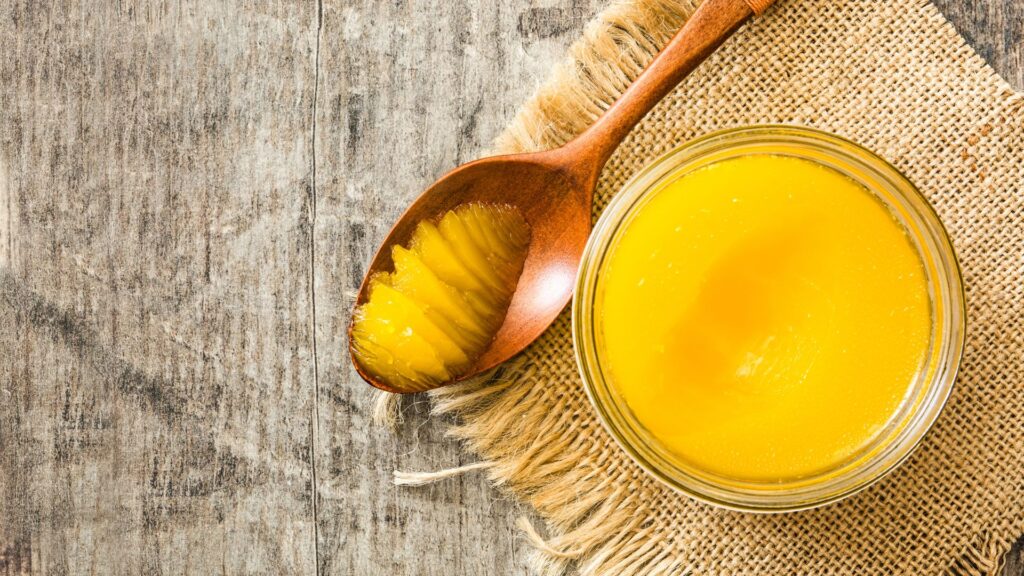
Absolutely. For those with dry or normal skin, a small amount of pure A2 ghee serves as an exceptional overnight treatment. Given its high lipid concentration, a pea-sized amount is sufficient to cover the face. Massaging the ghee into cleansed skin before sleep allows for deep penetration, resulting in a noticeably softer and more radiant complexion by morning.
How Does A2 Ghee Help with Dry and Chapped Skin?
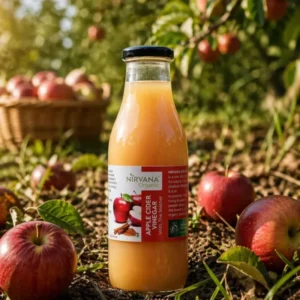
A2 ghee addresses dehydration by reinforcing the skin’s lipid barrier, effectively preventing trans-epidermal water loss. It is remarkably effective for treating localized roughness on the elbows, heels, or windburned areas. As a natural moisturizer, it can repair chapped lips within days. For optimal results, use apple cider vinegar as a diluted toner to balance skin pH before applying ghee to lock in hydration.
Can A2 Ghee Reduce Wrinkles and Fine Lines?
Yes, the Vitamin E and antioxidant content in A2 ghee combat oxidative stress, a primary contributor to skin aging. Regular application to the delicate under-eye area can soften the appearance of fine lines and crow’s feet. Use the ring finger to gently massage a minimal amount into the skin, ensuring gentle but effective absorption.
How Do You Use A2 Ghee for Hair Growth?
A warm A2 ghee treatment is a foundational Ayurvedic practice for stimulating hair growth. Melt a small portion between your palms and massage it into the scalp using circular motions to boost circulation. Allow it to penetrate for 30 to 60 minutes before cleansing. This method can be amplified by incorporating DIY hair masks featuring amla or hibiscus for increased follicular strength.
Is A2 Ghee Good for Dandruff and Dry Scalp?
The fatty acids in A2 ghee provide immediate relief to a dry, flaky scalp by soothing inflammation and restoring moisture. Unlike harsh medicated shampoos that can strip natural oils, ghee-based scalp massages align with Ayurvedic remedies that prioritize long-term scalp health and follicle vitality through lipid-rich nourishment.
How Often Should You Use A2 Ghee on Skin and Hair?
Two to three times a week is generally enough for most skin and hair types to see benefits without feeling greasy. Daily use can work for very dry skin or scalp, but should be scaled back if any buildup or breakouts appear.
Is A2 Ghee Safe for Oily or Acne-Prone Skin?
While A2 ghee is highly beneficial, those with oily or acne-prone skin should exercise caution, as concentrated fats can occasionally lead to congestion. A 24-hour patch test on the inner arm is essential. Industry data from the 2022 FICCI Cosmetics Report suggests that approximately 22% of users with oily skin types benefit from adjusting the frequency of oil-based products to maintain clear pores.
How Do You Choose a High-Quality A2 Cow Ghee for Beauty Use?
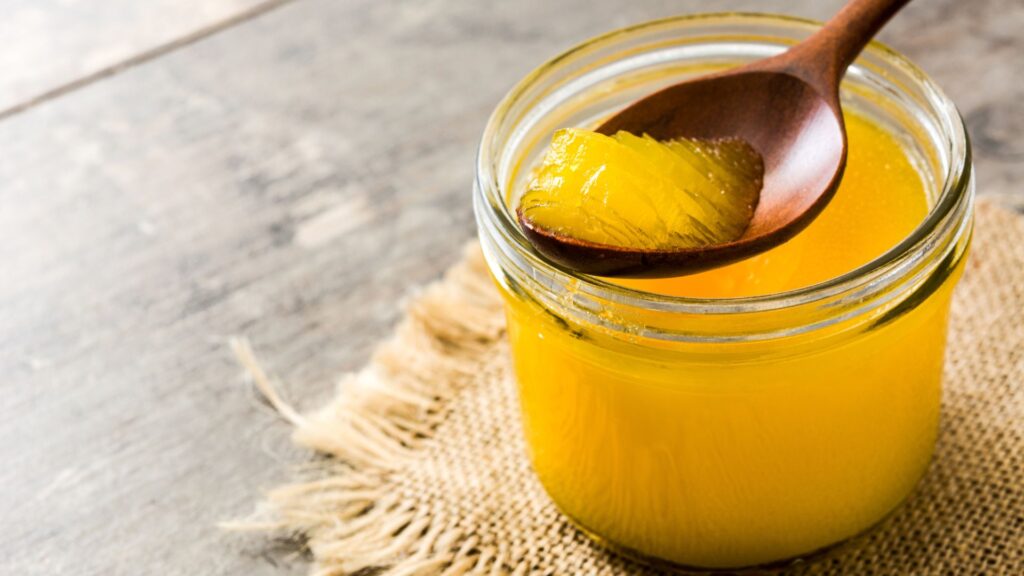
To ensure therapeutic benefits, prioritize ghee made from A2-certified native milk using the traditional Bilona churning process. High-quality ghee is characterized by a distinct grainy texture, a rich golden hue, and a clean, nutty aroma. Choosing pure Desi cow ghee ensures that you are applying a product free from industrial additives and full of biological value.
What’s Next: Building a Ghee-Based Beauty Routine
Integrating A2 ghee into your beauty routine is simple: start with a targeted application on the lips or under the eyes. For a comprehensive Ayurvedic experience, consider layering ghee with Himalayan forest honey for facial masks or incorporating Pahadi rock salt for wellness. For those seeking a lighter botanical alternative, Rhododendron (Buransh) products provide excellent skin-soothing properties that complement a ghee-based regimen.
Conclusion
A2 cow ghee is far more than a kitchen staple — it’s a time-tested, nutrient-dense remedy for dry skin, dull hair, and irritated scalps alike. By starting with small, consistent applications and choosing a pure, traditionally made source, you can bring a genuinely natural alternative into your beauty routine. Give it a try, and let a centuries-old remedy do what modern formulas often can’t.
Written by the Nirvana Organic Editorial Team, Content Specialists in Traditional Himalayan Wellness
Reviewed by Ayurveda Wellness Consultant, Nirvana Organic Advisory Panel