While new wellness fads appear almost monthly, rhododendron flower products are far from a marketing gimmick. Deeply rooted in Himalayan tradition for generations, these botanicals are now gaining global attention. This guide explores the substance behind the buransh trend and why it has become a staple for modern, health-conscious consumers.
Key Takeaways
- Known locally as buransh, these products range from refreshing squashes to floral teas and artisanal jams crafted from native Himalayan blooms.
- Buransh has been used in Himalayan households for generations, long before it became a wellness trend.
- Rising interest is linked to the ingredient’s natural antioxidant and vitamin C content, which supports general wellness.
- Consumer demand for clean-label, minimally processed, and traditionally sourced ingredients is a major driver behind the trend.
- Rhododendron products appeal to buyers who prioritize sustainable and community-supported sourcing from Himalayan regions.
- Squash and tea remain the most widely available and accessible rhododendron products for everyday use.
- Choosing certified or trusted sources helps ensure product quality and authenticity when trying rhododendron-based items.
What Are Rhododendron Flower Products?
Rhododendron flower products are foods and beverages made from the bright red blooms of the Himalayan rhododendron tree, locally known as buransh. The tree grows across mid- and high-altitude regions of Uttarakhand, Himachal Pradesh, and Nepal, flowering each spring in a burst of crimson that locals have harvested for generations. From these blooms, producers make several distinct products, including tart-sweet squash (a concentrated syrup), mildly floral tea, jams, and extracts used in wellness formulations.
Each format serves a slightly different purpose. For example, buransh squash is typically diluted with water for a refreshing summer drink, while the tea is steeped like any herbal infusion for a lighter, everyday ritual. Read more about buransh squash benefits for a closer look at how the syrup form is made and used. The common thread across all these products is that they start from the same source — freshly picked, sun-processed rhododendron petals — with minimal additional processing.
Why Is Buransh Becoming Popular in Modern Wellness?
The popularity of buransh stems from the convergence of two major consumer shifts: a renewed appreciation for indigenous ingredients and a growing demand for functional, natural wellness solutions. Interest in regional Indian superfoods has risen as consumers seek authentic alternatives to globally commercialized ingredients like matcha or acai. Rhododendron fits this profile perfectly, offering a time-tested legacy rather than an imported trend.
Furthermore, modern wellness marketing now emphasizes provenance—the origin and history of an ingredient are considered as vital as its nutritional profile. Buransh offers a compelling narrative: a vibrant flower that blankets Himalayan hillsides every spring, sustainably harvested by local communities. This story resonates with consumers who prioritize a meaningful connection to the products they use.
How Has Rhododendron Been Used Traditionally in the Himalayas?
In the Himalayas, rhododendron has long served as a seasonal restorative, typically consumed as juice, chutney, or infused water during the pre-monsoon months. Historically, households prepared fresh buransh squash each spring, preserving it as a cooling home remedy. Rather than a modern experiment, it remains a practical staple of mountain life.
For example, in many Kumaoni and Garhwali villages, buransh juice is offered to guests as a gesture of hospitality, much like how other regions might offer tea or lemonade. This traditional practice is well documented alongside other regional staples, such as traditional Himalayan salt blends, which share a similar household-first origin story before entering the packaged wellness market. That being said, what’s changed isn’t the ingredient itself—it’s the audience now discovering it outside the hills.
What Nutritional Benefits Do Rhododendron Flower Products Offer?
Rhododendron products boast a nutrient profile rich in antioxidants, vitamin C, and anthocyanins—the natural pigments responsible for the flower’s deep crimson hue. These compounds help the body manage oxidative stress, a key factor driving consumer interest. Research published in the Journal of Food Science and Technology (2021) highlights that Himalayan rhododendron species possess significantly higher phenolic content than many common fruits.
In addition, buransh has traditionally been associated with mild anti-inflammatory and cooling properties, particularly during warmer months. For more context on antioxidant-rich botanicals, see this related guide on rhododendron tea and antioxidants. As with any single ingredient, though, rhododendron products work best as part of a varied diet rather than as a standalone solution — a distinction that matters for the ingredient’s honest, non-hype positioning.
Why Are Consumers Choosing Clean-Label and Traditional Ingredients?
Consumers are choosing clean-label and traditional ingredients because they’re increasingly reading ingredient lists and prioritizing recognizable, minimally processed items. Nearly 65% of global consumers report actively checking product labels for artificial additives before purchasing food or beverages—Source: FMCG Gurus, 2023. Buransh squash and tea fit this shift well, since their ingredient lists are typically short: rhododendron flower, water, and natural sweeteners.
This preference extends to other traditional ingredients gaining renewed attention, including Himalayan superfood ingredients like rajma and bhatt, and pantry staples such as turmeric powder health benefits, both of which share buransh’s appeal as time-tested, minimally altered foods. Moreover, “clean-label” isn’t just a certification—for many buyers, it’s shorthand for trusting that a product does what tradition already proved it could do, without needing synthetic additions to work.
How Does Rhododendron Sourcing Support Himalayan Communities?
Rhododendron sourcing supports Himalayan communities by creating seasonal income for local harvesters and small-scale processors during the flowering months. Buransh collection is largely manual, done by residents of hill villages who gather blooms sustainably from trees near their homes. This model mirrors the community-based sourcing seen with other regional products, including Munsiyari Rajma health benefits, where GI-tagged, community-grown ingredients gain both cultural recognition and market value.
As such, buying certified rhododendron products can directly channel income toward these communities rather than large-scale commercial farming operations. For consumers prioritizing ethical sourcing, this local-economy angle is often as compelling as the nutritional story — it turns a purchase into direct support for a specific region and its people.
Also Read this : Nutritional Value of Buransh Squash: The Complete Himalayan Superfood Guide
What Are the Most Popular Rhododendron Products Today?
The most popular rhododendron products today are squash, tea, and jam, in that order of market availability. The table below compares how each is typically used.
| Product | Typical Use | Prep Method | Best For |
| Buransh Squash | Diluted drink | Mix with water, chilled or room temp | Refreshing summer beverage |
| Buransh Tea | Steeped infusion | Hot water, 3-5 minute steep | Daily herbal ritual |
| Buransh Jam | Spread | Direct use on bread/toast | Breakfast or snacking |
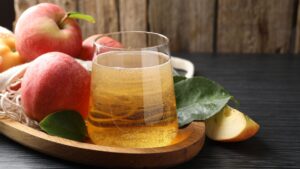
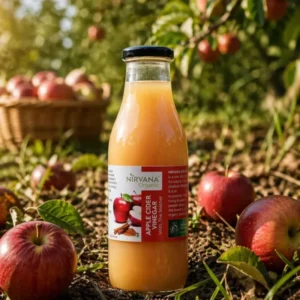
Tea and squash remain the most accessible entry points, largely because they require no cooking or complex preparation. For readers exploring other minimally processed pantry additions, apple cider vinegar and natural wellness offers a similar everyday-use case study in traditional ingredients finding new relevance.
How Can You Start Incorporating Rhododendron Products Into Your Diet?
You can start incorporating rhododendron products into your diet by adding buransh squash to water as a replacement for sugary sodas or juices. Let’s take a look at a simple entry point: begin with one glass of diluted squash per day, adjusting sweetness to taste, and observe how it fits into your routine before expanding to tea or jam. This gradual approach mirrors how households historically introduced the ingredient — seasonally, not all at once.
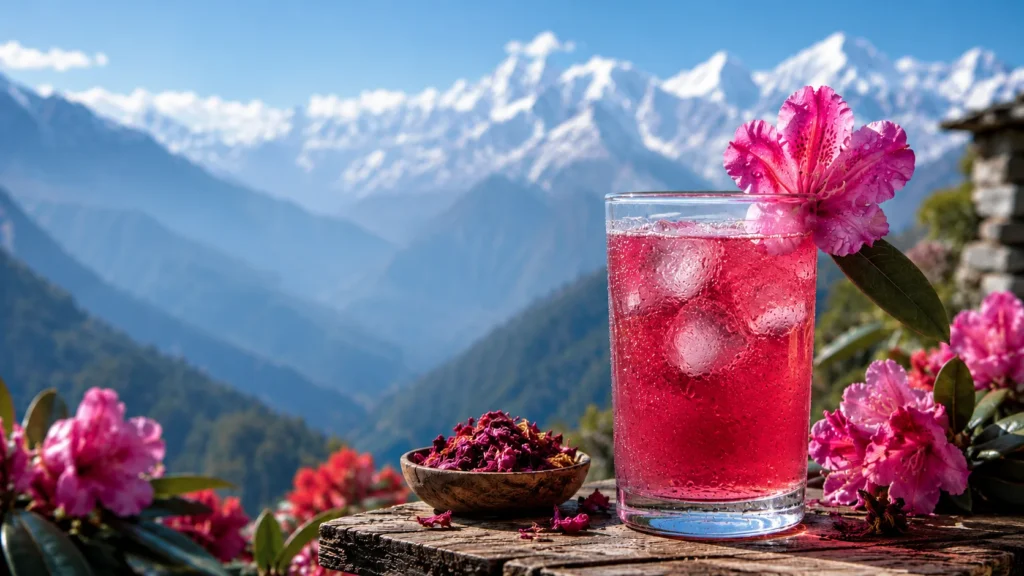
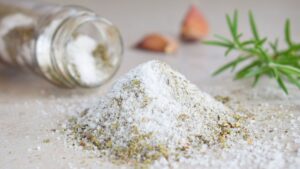
By pairing buransh tea with other traditional flavor enhancers, such as how Pahadi mint salt enhances meals, you can build a broader routine around indigenous, minimally processed ingredients rather than treating rhododendron as an isolated trend purchase.
Is Rhododendron Safe for Regular Consumption?
Rhododendron flower products made specifically for consumption — such as commercially sold buransh squash and tea — are generally considered safe when sourced from reputable producers. It’s worth noting that not all rhododendron species are edible; some ornamental varieties contain compounds that are unsafe to ingest, which is why sourcing matters more than it might for other fruits. As such, consumers should stick to products explicitly labeled and sold for food use rather than foraging wild blooms without local expertise.
Where Can You Buy Authentic Buransh Products?
You can buy authentic buransh products from brands that clearly state Himalayan sourcing, list simple ingredients, and ideally reference community or GI-tag certifications. Checking for transparent sourcing information is the simplest way to verify authenticity before purchasing. Trusted regional producers typically process the flower shortly after harvest, preserving more of its natural color and nutrient content compared to mass-produced alternatives.
Conclusion
Rhododendron flower products aren’t a manufactured trend—they’re a generations-old Himalayan tradition that modern wellness culture is finally catching up to. From their antioxidant-rich profile to their clean-label appeal and community-based sourcing, buransh squash and tea offer a rare combination of authenticity and function. If you’re curious about trying a genuinely traditional ingredient rather than another manufactured superfood, buransh is a grounded place to start.
Written by Nirvana Organic Editorial Team—writers focused on Himalayan food traditions and clean-label wellness content.
Reviewed by the Nirvana Organic Quality & Sourcing Team — specialists in Himalayan ingredient sourcing and food safety standards