While nettle leaf tea and supplements are frequently celebrated as natural wellness essentials, the full scope of this botanical powerhouse is often misunderstood. In this comprehensive guide, we examine the science-backed benefits, nutritional complexity, and practical applications of nettle leaf, providing expert insights to help you optimize its inclusion in your daily health regimen.
Key Takeaways
- Nutrient-Dense Botanical: Nettle leaf is a potent medicinal herb traditionally utilized to bolster holistic health and systemic vitality.
- Rich Bioavailability: It serves as a natural source of essential vitamins, minerals, antioxidants, and bioactive plant compounds like chlorophyll.
- Therapeutic Support: Clinical research indicates potential benefits for joint mobility, allergic rhinitis relief, immune modulation, and dermatological health.
- Nettle leaf can be consumed as herbal tea, powder, capsules, soups, or cooked leafy greens.
- Cooking or drying removes the plant’s sting, making it safe for culinary and herbal use.
- People taking medications or who are pregnant should consult a healthcare professional before using nettle supplements.
- Choosing organically grown nettle leaf helps maximize nutritional quality and minimize pesticide exposure.
What Is Nettle Leaf and Where Does It Come From?
Nettle leaf is the nutrient-dense foliage of Urtica dioica, an herbaceous perennial commonly referred to as stinging nettle. For millennia, it has occupied a central role in European herbalism, Ayurveda, and indigenous healing traditions due to its extraordinary therapeutic versatility.
The plant’s distinctive name is derived from the trichomes—microscopic, needle-like hairs—that coat its leaves. These structures release formic acid and histamine upon contact, producing a localized sting. Crucially, processes such as drying, blanching, or steeping neutralize these compounds entirely, rendering the herb safe for consumption.
Globally, from the Himalayas to the Appalachian Mountains, nettle remains a culinary and medicinal staple, featured in restorative infusions, traditional soups, and modern nutraceuticals.
Statistic: Herbal medicines remain the primary healthcare source for approximately 80% of the world’s population in some form. — Source: World Health Organization (WHO)
Why Is Nettle Leaf Considered a Medicinal Herb?
Nettle leaf’s classification as a medicinal herb is rooted in its high concentration of bioactive secondary metabolites that interact with various physiological systems.
Historically prized for its ability to enhance vitality and support urinary and joint health, modern pharmacology is now validating these uses by uncovering the plant’s significant anti-inflammatory and antioxidant mechanisms.
Its contemporary resurgence is driven by the synergy of ancestral wisdom and rigorous nutritional science.
Traditional Uses
- Herbal tonics
- Seasonal wellness
- Hair rinses
- Joint support
- Digestive health
- Mineral supplementation
Modern Wellness Uses
- Herbal teas
- Capsules
- Organic powders
- Smoothie ingredients
- Functional nutrition
What Nutrients Are Found in Nettle Leaf?
Nettle leaf is distinguished as one of the most nutrient-complete botanicals in the herbal kingdom.
It features a sophisticated matrix of vitamins, minerals, chlorophyll, and polyphenols that work synergistically to support cellular health.
| Nutrient | Benefits |
| Vitamin A | Vision & immune health |
| Vitamin C | Antioxidant protection |
| Vitamin K | Bone & blood health |
| Iron | Healthy red blood cells |
| Calcium | Strong bones |
| Magnesium | Muscle & nerve function |
| Potassium | Heart health |
| Chlorophyll | Plant antioxidant |
| Polyphenols | Fight oxidative stress |
| Protein | Tissue maintenance |
Furthermore, nettle provides essential amino acids and dietary fiber, a rarity among leafy herbs that elevates its status to a functional “superfood.”
Statistic: Green leafy vegetables rich in polyphenols are associated with improved antioxidant intake: Source: USDA FoodData Central
What Are the Top Health Benefits of Nettle Leaf?
The health benefits of nettle leaf are diverse, ranging from systemic antioxidant support to targeted inflammatory modulation.
While further clinical trials are warranted, current data and traditional applications highlight several key areas of therapeutic promise.
Supports Antioxidant Protection
Rich in flavonoids and carotenoids, nettle helps fortify the body against oxidative stress, a primary driver of premature aging and cellular dysfunction.
Oxidative stress contributes to aging and chronic disease. Consuming antioxidant-rich foods may help protect healthy cells.
Supports Immune Function
The presence of bioavailable vitamin C and iron works to strengthen the body’s natural defenses and support hematopoietic health.
For example, drinking herbal tea alongside a balanced diet can contribute to daily antioxidant intake.
May Help Reduce Inflammation
Pharmacological studies suggest that nettle extracts can inhibit various inflammatory cytokines, potentially offering relief for chronic inflammatory conditions.
Statistic: Several clinical reviews suggest nettle may help reduce inflammatory markers, though larger studies are still needed. — Source: Journal of Herbal Medicine
Supports Joint Health
Traditional herbal medicine commonly uses nettle to support mobility and joint comfort.
Some preliminary studies indicate possible benefits for osteoarthritis when used alongside conventional treatment under professional guidance.
May Help Seasonal Allergies
Emerging evidence indicates that nettle may act as a natural mast-cell stabilizer, helping to alleviate the discomfort associated with seasonal pollen exposure.
However, more high-quality clinical studies are needed before making definitive conclusions.
Supports Hair and Skin Health
Iron, silica, antioxidants, and vitamins contribute to healthy skin and hair.
Many natural shampoos and herbal rinses include nettle extracts because of their traditional reputation for strengthening hair.
May Support Blood Sugar Balance
Early research indicates nettle may influence glucose metabolism.
People with diabetes should consult their healthcare provider before taking concentrated nettle supplements.
Can Nettle Leaf Help Reduce Seasonal Allergy Symptoms?
Nettle leaf may help support seasonal allergy management, although research remains limited.
Scientists believe certain plant compounds may influence histamine activity and inflammatory responses.
A small clinical study reported improvements in allergy symptoms among some participants using freeze-dried nettle preparations.
Statistic: Research published in Planta Medica found some participants experienced symptom improvement with freeze-dried nettle preparations. — Source: Planta Medica
It should not replace prescribed allergy medications without medical advice.
Is Nettle Leaf Good for Joint Health and Inflammation?
Nettle leaf has traditionally been used to support joint comfort and healthy inflammatory responses.
Researchers are investigating compounds that may influence inflammatory pathways involved in arthritis.
Although results appear promising, healthcare professionals recommend using nettle as part of a broader wellness plan rather than as a standalone treatment.
How Does Nettle Leaf Support Hair and Skin Health?
Nettle leaf supports healthy hair and skin primarily through its vitamins, minerals, and antioxidants.
Iron contributes to healthy oxygen transport, while vitamin C supports collagen production.
Many people prepare herbal hair rinses by steeping dried nettle leaves in hot water and allowing the infusion to cool before use.
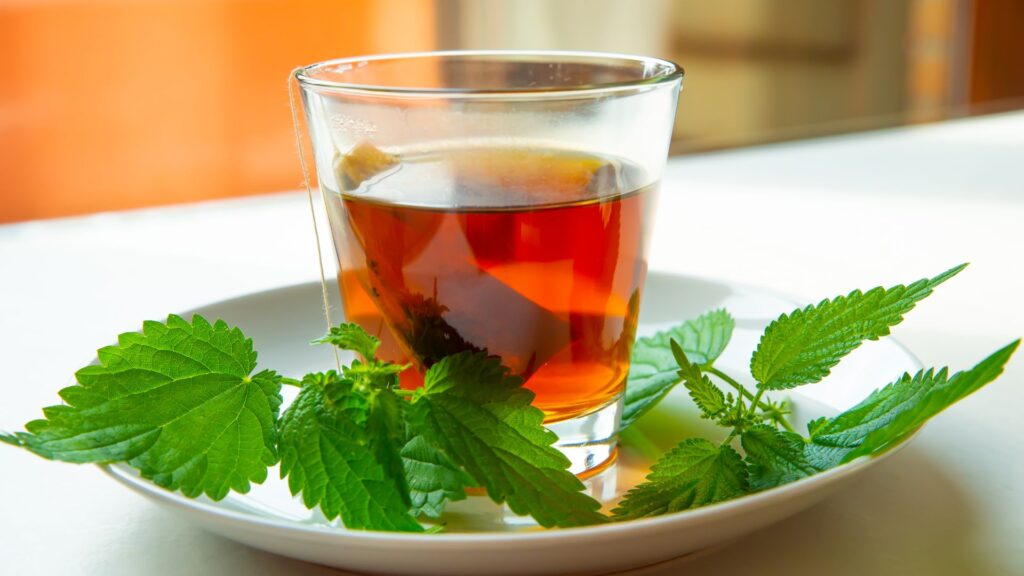
What Is the Best Way to Drink Nettle Leaf Tea?
Preparing an infusion is the most effective and time-honored method for extracting the water-soluble nutrients from nettle leaf.
Brewing Instructions
- Add 1–2 teaspoons dried organic nettle leaf.
- Pour 250 ml boiling water.
- Steep 5–10 minutes.
- Strain.
- Enjoy plain or with honey and lemon.
How Much Nettle Leaf Can You Consume Daily?
Most healthy adults can safely enjoy moderate amounts of nettle tea as part of a balanced diet.
General guidance includes:
- 1–3 cups herbal tea daily
- Powder according to manufacturer instructions
- Capsules only under recommended dosage
- Fresh leaves only after cooking
Always consult your healthcare provider before beginning herbal supplementation.
Are There Any Side Effects of Nettle Leaf?
Nettle leaf is generally considered safe when prepared properly, but it may cause side effects in some individuals.
Possible concerns include:
- Mild stomach upset
- Skin irritation from fresh leaves
- Allergic reactions
- Medication interactions
People taking:
- Blood pressure medicines
- Blood thinners
- Diabetes medications
- Diuretics
should speak with their healthcare provider before regular use.
Pregnant or breastfeeding women should avoid supplements unless advised by a qualified professional.
Is Fresh Nettle Different From Dried Nettle Leaf?
Fresh nettle and dried nettle leaf come from the same plant but differ in handling and preparation.
| Fresh Nettle | Dried Nettle |
| Can sting skin | Sting removed |
| Requires cooking | Ready for tea |
| Higher moisture | Longer shelf life |
| Used in soups | Used in herbal infusions |
Cooking completely removes the stinging compounds.
What Does Scientific Research Say About Nettle Leaf?
Scientific research suggests nettle leaf shows promise for inflammation, allergies, nutrition, and antioxidant activity, although more large-scale studies are needed.
Current research areas include:
- Anti-inflammatory compounds
- Allergy symptom management
- Nutritional supplementation
- Antioxidant activity
- Joint health
Most evidence supports nettle as a complementary wellness herb rather than a replacement for medical treatment.
How Do You Choose the Best Organic Nettle Leaf Products?
High-quality nettle leaf products should be organically grown, carefully dried, and properly packaged.
Look for:
- USDA Organic or equivalent certification
- Non-GMO sourcing
- Airtight packaging
- Fresh herbal aroma
- Laboratory testing when available
Avoid products containing unnecessary fillers or artificial additives.
Can You Cook With Nettle Leaf?
Yes, cooked nettle leaf is both safe and delicious.
Popular recipes include:
- Soups
- Spinach substitutes
- Green smoothies
- Pasta fillings
- Herbal pesto
- Rice dishes
Cooking removes the sting while preserving valuable nutrients.
Practical Applications: How to Add Nettle Leaf to Your Daily Routine
You can start with one simple habit before exploring additional uses.
- Morning: Herbal nettle tea
- Afternoon: Add powder to smoothies
- Evening: Use in vegetable soup
- Weekly: Herbal hair rinse
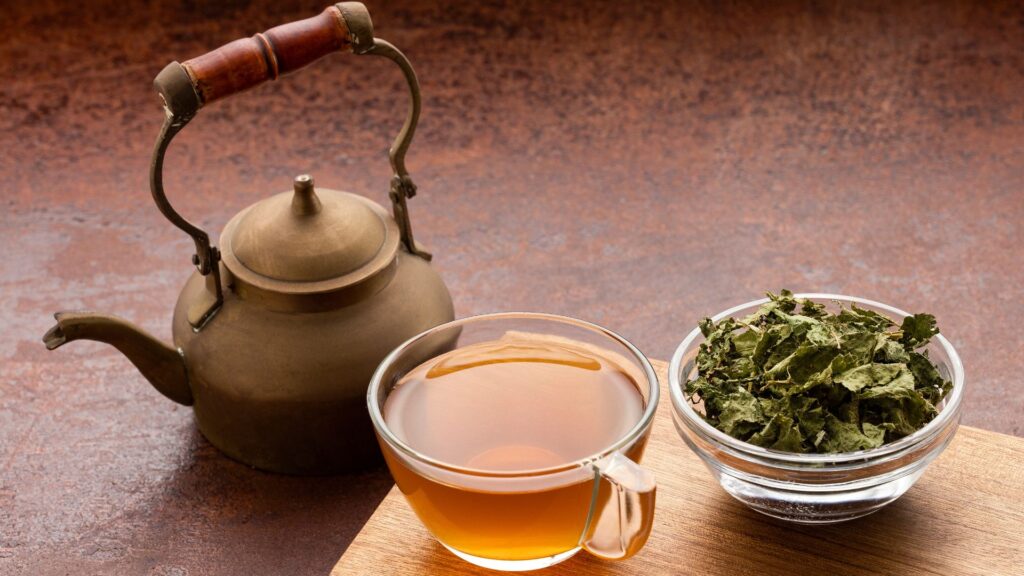
Recommended Product: Nirvana Organic Organic Nettle Leaf Tea offers a convenient way to enjoy premium-quality organically sourced nettle leaves as part of a balanced wellness routine.
Free alternatives include fresh home-grown nettles (properly prepared) or loose organic dried leaves from reputable herbal suppliers.
What’s Next?
The best next step is to begin with small amounts of high-quality organic nettle leaf and observe how it fits into your wellness routine.
You can combine nettle tea with:
- Healthy breakfasts
- Regular exercise
- Balanced nutrition
- Good hydration
- Mindful stress management
Conclusion
Nettle leaf is one of nature’s most nutrient-rich medicinal herbs, offering a combination of vitamins, minerals, antioxidants, and traditional wellness benefits. While scientific research continues to evolve, current evidence supports its role as a nutritious herbal food that may contribute to overall wellness, especially when consumed as tea or cooked greens.
Choose high-quality organic nettle leaf, prepare it correctly, and use it as part of a balanced lifestyle rather than a replacement for professional medical care. With informed use and realistic expectations, nettle leaf can become a valuable addition to your daily wellness routine.
Written by
Nirvana Organic Editorial Team
Herbal wellness researchers and content specialists dedicated to creating evidence-based educational resources on organic foods, herbal teas, and traditional nutrition.
Reviewed by
Nirvana Organic Nutrition & Herbal Research Team
Experts in herbal nutrition, food science, and wellness education committed to fact-checking and reviewing health-related content.