Munsiyari Rajma has long been a staple on Indian dinner tables, valued for its protein and comforting taste. But few people realize that where rajma is grown can significantly shape its nutrient density—and Munsiyari Rajma, grown in the Himalayan highlands, is a standout example. In this guide, we’ll break down exactly what makes its nutritional profile worth paying attention to.
Table of Contents
Key Takeaways
- Munsiyari Rajma is a GI-tagged kidney bean variety grown exclusively in the high-altitude Munsiyari region of Uttarakhand.
- The bean delivers a high plant-based protein content, making it a strong option for vegetarian and vegan diets.
- Dietary fiber in Munsiyari Rajma supports digestion and helps maintain steady blood sugar levels.
- Iron, folate, potassium, and magnesium are present in meaningful amounts, supporting blood health, metabolism, and muscle function.
- High-altitude cultivation and mineral-rich soil are believed to contribute to the bean’s distinct nutrient density and flavor.
- Complex carbohydrates in the bean provide sustained energy release compared to refined carb sources.
- Choosing organic, authentically sourced Munsiyari Rajma ensures the nutrient profile isn’t compromised by chemical inputs.
What Is Munsiyari Rajma?
Munsiyari Rajma is a GI-tagged kidney bean variety cultivated exclusively in the Munsiyari region of Pithoragarh district, Uttarakhand. This designation, granted under India’s Geographical Indication registry, legally certifies that authentic Munsiyari Rajma can only originate from this specific Himalayan belt. As such, the beans are grown at altitudes typically above 2,000 meters, where cooler temperatures and longer maturation periods shape their character.
First, it helps to understand what sets this region apart agriculturally. The Munsiyari valley sits in a rain-shadow pocket of the Kumaon Himalayas, with mineral-dense alluvial soil formed from glacial runoff. For example, farmers in this belt still rely largely on traditional, low-intervention cultivation methods rather than intensive chemical farming, which many nutritionists associate with cleaner nutrient uptake in the final crop.
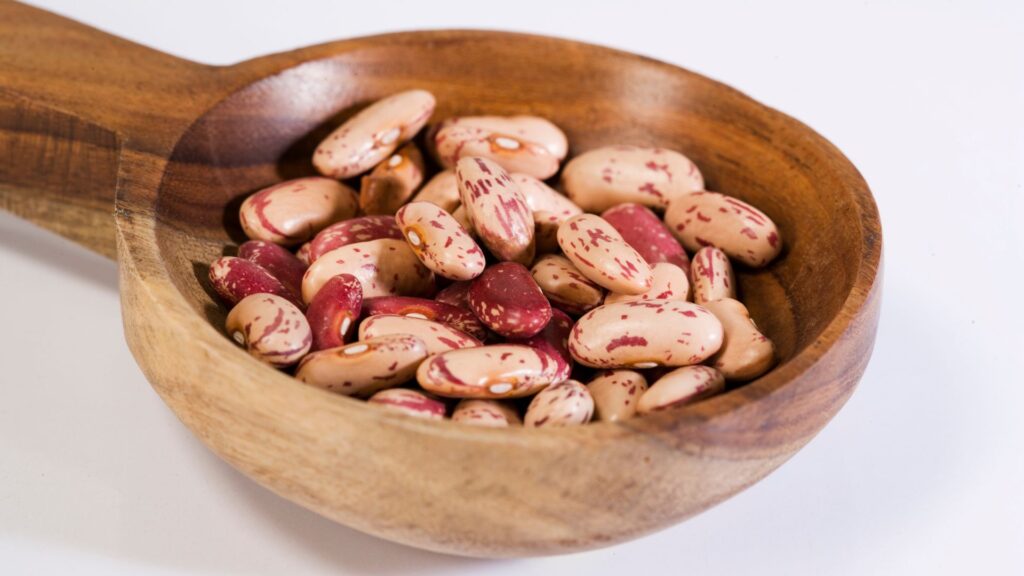
Moreover, the GI tag isn’t just a marketing label — it reflects a documented link between the bean’s chemical composition and its place of origin. Munsiyari Rajma tends to be smaller and denser than plains-grown rajma, with a thinner skin and a naturally sweeter, earthier taste. [Internal link: “Health Benefits of Himalayan Rajma” → Himalayan Rajma benefits blog] explores this Himalayan-growing advantage in more depth across related bean varieties.
You can explore the origin story further through [Internal link: “GI-tagged Himalayan produce” → brand story/about page on Himalayan sourcing], which outlines how Nirvana Organic sources directly from smallholder farmers in the region.
Why Munsiyari Rajma’s Nutritional Profile Matters
Munsiyari Rajma’s nutritional profile matters because it offers a more concentrated source of plant protein, fiber, and micronutrients than many processed or mass-farmed protein alternatives. At a time when packaged protein bars and powders dominate shelves, a whole-food legume grown without heavy chemical inputs stands out nutritionally.
At the same time, regular market rajma — often grown at lower altitudes with faster-cycle farming — can show comparatively diluted mineral content due to soil depletion and shorter growing seasons. Whole legumes like rajma remain one of the most nutrient-dense plant protein sources available — Source: Indian Council of Medical Research (ICMR), 2023. This matters directly for Munsiyari Rajma because its extended high-altitude growing cycle is believed to allow deeper nutrient absorption from the soil.
Plus, for India’s largely vegetarian population, pulses carry outsized dietary importance. Over 60% of protein intake in vegetarian Indian diets comes from pulses and legumes — Source: National Institute of Nutrition, 2022. As such, choosing a denser, cleaner variety like Munsiyari Rajma has a measurable impact on overall nutrient intake, not just taste preference.
How Much Protein Does Munsiyari Rajma Contain?
Munsiyari Rajma contains approximately 22-24 grams of protein per 100 grams of dry beans, placing it among the higher-protein pulses available in Indian markets. This protein density makes it comparable to many animal-based sources on a gram-for-gram basis, while remaining entirely plant-based.
For example, a single cooked cup (roughly 177 grams) of rajma can provide close to 15 grams of protein, covering a meaningful portion of daily requirements for an average adult. This protein includes a solid spread of essential amino acids, though like most legumes, it’s comparatively lower in methionine — which is why pairing rajma with rice or wheat (as in classic rajma-chawal) creates a more complete amino acid profile.
Pulses like rajma provide up to 3x more protein per calorie than most whole grains — Source: Food and Agriculture Organization (FAO), 2023. This is a strong reason fitness-focused and vegetarian eaters increasingly build meals around bean-based proteins. If you’re also exploring other Himalayan protein sources, [Internal link: “protein-rich Himalayan Bhatt” → Himalayan Bhatt blog] covers a black soybean variety with an even higher protein concentration.
Is Munsiyari Rajma Good for Digestive Health?
Yes, Munsiyari Rajma supports digestive health primarily through its high dietary fiber content, which averages around 15-18 grams per 100 grams of dry beans. This fiber load is significantly higher than most refined grains and many other common legumes.
First, the soluble fiber in rajma slows gastric emptying, which contributes to prolonged satiety after meals. For example, a single serving can help reduce mid-afternoon snacking urges by keeping blood sugar and hunger hormones more stable. In addition, insoluble fiber adds bulk to stool, supporting regular bowel movements and reducing constipation risk.
Dietary fiber intake above 25 grams daily is associated with a 15-30% lower risk of digestive disorders — Source: World Health Organization (WHO), 2022. Since a single cup of cooked Munsiyari Rajma can contribute a substantial share of that daily target, it functions as a practical, everyday way to close common fiber gaps in urban Indian diets.
Can Munsiyari Rajma Help With Blood Sugar Management?
Munsiyari Rajma can support blood sugar management because of its low glycemic index and high fiber-to-carbohydrate ratio. Foods with these characteristics release glucose into the bloodstream more gradually than refined carbohydrates.
For example, rajma’s glycemic index typically falls between 25 and 30 categorizing it as a low-GI food suitable for those monitoring blood sugar spikes. This slower digestion process happens because fiber physically slows carbohydrate breakdown, reducing sharp post-meal glucose surges. That being said, portion size and cooking method still matter—overcooking or pairing rajma with large amounts of refined rice can partially offset this benefit.
Legumes with a glycemic index below 55 are recommended as staple carbohydrate sources for blood sugar-conscious diets — Source: Indian Journal of Endocrinology and Metabolism, 2023. This makes Munsiyari Rajma a practical everyday choice, not just an occasional health food.
What Vitamins and Minerals Are Found in Munsiyari Rajma?
Munsiyari Rajma contains meaningful amounts of iron, folate, potassium, and magnesium, along with smaller amounts of zinc and B-vitamins. Together, these micronutrients support several core bodily functions beyond basic energy metabolism.
The table below summarizes approximate nutrient values per 100 grams of dry Munsiyari Rajma:
| Nutrient | Approximate Amount | Primary Benefit |
| Protein | 22-24 g | Muscle repair and growth |
| Dietary Fiber | 15-18 g | Digestive and metabolic health |
| Iron | 5-6 mg | Oxygen transport, reduces fatigue |
| Folate | 350-380 mcg | Cell division, especially in pregnancy |
| Potassium | 1,300-1,400 mg | Blood pressure and muscle function |
| Magnesium | 130-150 mg | Nerve function and energy metabolism |
Iron in particular plays a significant role for a population where iron-deficiency anemia remains common. Nearly 57% of Indian women of reproductive age are affected by anemia—Source: National Family Health Survey (NFHS-5), 2021. Rajma-based meals, especially when paired with vitamin C-rich vegetables to boost non-heme iron absorption, can meaningfully contribute to closing this gap.
Folate deserves particular attention for anyone planning or managing pregnancy, since it supports healthy cell division and neural tube development. For a related mineral-rich Himalayan ingredient • Buransh Squash: the nutrition blog covers another regional superfood with a complementary micronutrient profile.
Why Is Munsiyari Rajma GI-Tagged?
Munsiyari Rajma is GI-tagged because its specific taste, texture, and nutrient composition are directly tied to the geography of the Munsiyari region and cannot be authentically replicated elsewhere. The Geographical Indication registry protects this link between product and place, similar to how Darjeeling tea or Basmati rice are protected.
This certification benefits consumers directly. First, it guarantees authenticity, preventing lower-altitude rajma from being mislabeled and sold at a premium. Second, it supports the local farming economy in Munsiyari, incentivizing continued traditional, low-chemical cultivation practices that many nutritionists link to cleaner nutrient profiles.
How Does High-Altitude Farming Affect Munsiyari Rajma’s Nutrient Content?
High-altitude farming affects Munsiyari Rajma’s nutrient content by extending the growing season and exposing crops to cooler temperatures, both of which are linked to denser nutrient accumulation in legumes. Slower maturation generally allows more time for mineral uptake from soil.
For example, crops grown above 2,000 meters often experience greater temperature fluctuation between day and night, a condition some agricultural studies associate with higher antioxidant and phenolic compound accumulation in legumes. This is one reason Munsiyari Rajma is often described as having a richer, earthier flavor compared to plains-grown varieties.
Antioxidants and Complex Carbohydrates for Sustained Energy
Munsiyari Rajma provides complex carbohydrates and polyphenol-based antioxidants that together support steady, longer-lasting energy release. Unlike simple sugars, complex carbs are broken down gradually, avoiding the rapid spike-and-crash pattern common with refined foods.
The bean’s dark red-brown seed coat is a marker of anthocyanin content, a class of antioxidants also found in berries and dark grapes. Colored legume varieties can contain up to 2x more antioxidant compounds than lighter-colored counterparts—Source: Journal of Food Science, 2022. This antioxidant activity is believed to help combat oxidative stress, a factor linked to chronic inflammation and cellular aging.
Is Munsiyari Rajma Suitable for Vegetarian and Vegan Diets?
Yes, Munsiyari Rajma is well-suited for vegetarian and vegan diets, as it delivers a complete plant-based protein and iron source without any animal-derived inputs. This makes it especially valuable for those avoiding dairy or meat while still needing to meet daily protein and iron targets.
For vegans in particular, plant iron (non-heme iron) is less easily absorbed than iron from animal sources. Pairing Munsiyari Rajma with vitamin C-rich ingredients like tomatoes, lemon, or amla can meaningfully improve iron absorption at each meal.
How Should Munsiyari Rajma Be Cooked to Retain Nutrients?
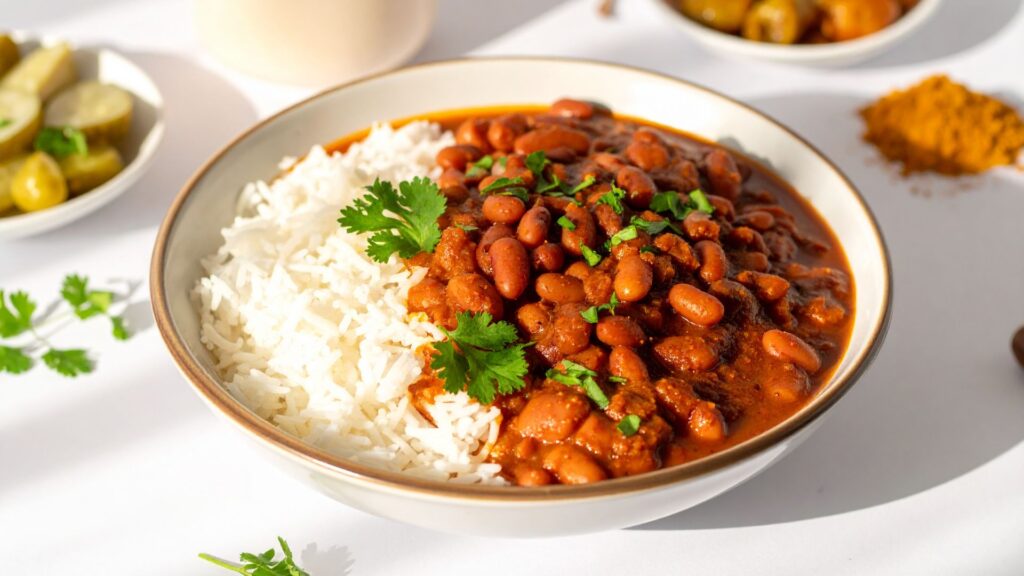
Munsiyari Rajma should be soaked for 8-12 hours before cooking to reduce anti-nutrients like phytic acid, which can otherwise interfere with mineral absorption. First, soaking also shortens cooking time, which helps preserve water-soluble vitamins like folate that degrade under prolonged heat.
Second, pressure cooking is generally preferred over long open-pot boiling, since it reduces total cooking time and nutrient loss. For example, a well-soaked batch typically needs only 20-25 minutes under pressure, compared to over an hour of simmering. You can bring out the earthy Himalayan flavor further by finishing the dish with [Internal link: “A2 cow ghee for cooking rajma” → A2 Cow Ghee blog], a traditional pairing that also adds healthy fats.
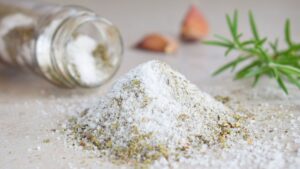
Everyday cooking becomes easier and more flavorful with the right supporting ingredients. Consider using [Internal link: “Pahadi Mix Salt for everyday cooking” → Pahadi Mix Salt blog] to season your rajma while keeping the flavor profile authentically Himalayan rather than relying on processed spice blends.
Where Can You Buy Authentic, Organic Munsiyari Rajma?
Authentic, organic Munsiyari Rajma can be sourced from brands that work directly with GI-registered farmers in the Munsiyari region, rather than through unverified bulk suppliers. Look for clear labeling that references the GI certification and the specific growing region.
Nirvana Organic Munsiyari Rajma is sourced directly from smallholder farms in the Munsiyari valley, ensuring the beans reach you without unnecessary chemical intervention along the supply chain. You can view sourcing details and place an order for Nirvana Organic Munsiyari Rajma.
When shopping elsewhere, look for third-party organic certification marks and GI-tag documentation as a baseline trust signal, regardless of which brand you choose.
Conclusion
Munsiyari Rajma stands out from regular market rajma through its GI-tagged, high-altitude origin, which contributes to a denser profile of protein, fiber, iron, folate, potassium, and magnesium. From supporting digestion and blood sugar balance to delivering sustained energy through complex carbohydrates and antioxidants, this Himalayan bean offers more than comforting taste—it offers genuine nutritional value.
As more people look beyond generic pulses toward origin-authentic, nutrient-dense foods, Munsiyari Rajma is a practical place to start. If you’re building out a broader pantry of Himalayan staples, [Internal link: “ragi cookies for a healthy diet” → Ragi Cookies blog] is a good next stop for another nutrient-dense, traditional option worth adding to your routine.
Written by Team Nirvana Organic—Content specialists focused on Himalayan and organic food sourcing, nutrition education, and traditional Indian dietary staples.
Reviewed by Nirvana Team, Registered Dietitian—Specializes in plant-based nutrition and regional Indian food systems.